Water Damage Restoration Douglasville, GA
When water gets into a Douglasville home or business, the restoration team pulls it out, opens what is wet and dries the structure with measured equipment until the readings come down.
Homes, townhouses and businesses across Douglas County, with notes and photos prepared for insurance claims.

and drying
Services for every kind of water loss
From a split supply pipe to a flooded lower level, every job follows the same path: stop the water, remove it, dry the structure and document the work.
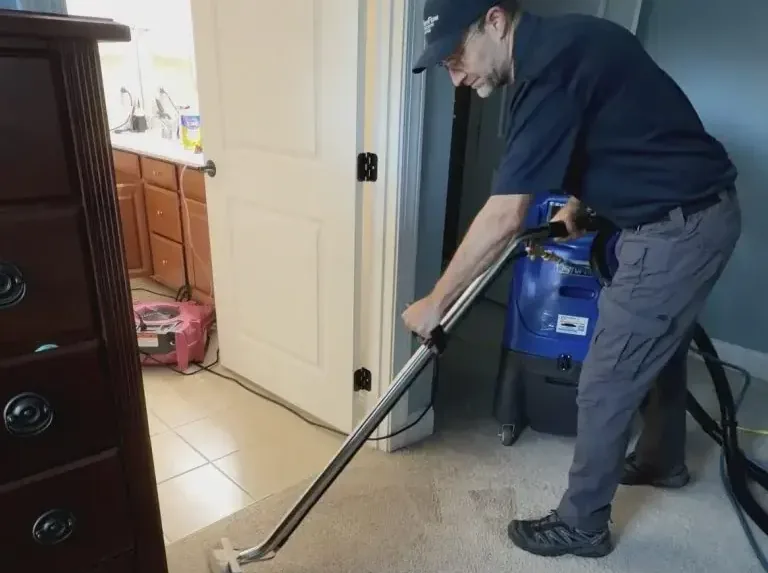 Water Extraction and Removal
Truck-mounted pumps pull standing water from carpet, tile and subfloors before it soaks into pad, drywall and framing.
See the service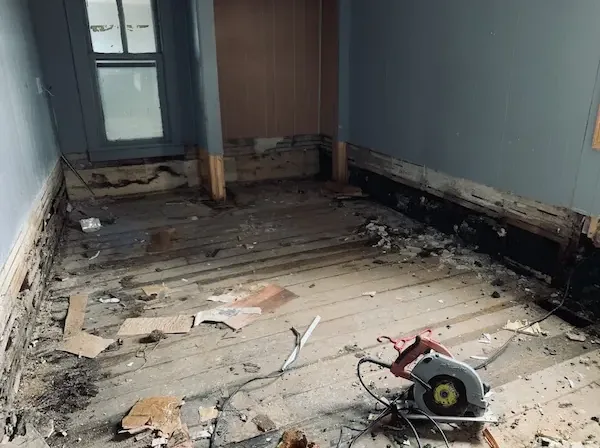 Burst Pipe Water Damage
A split supply pipe soaks walls and ceilings fast; wet cavities are opened and the framing is dried.
See the service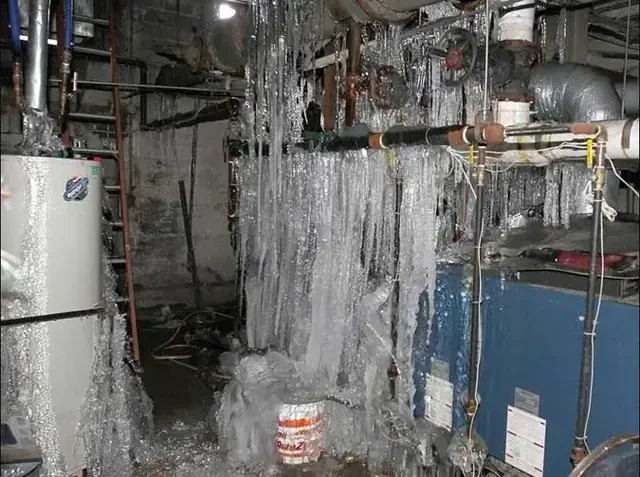 Frozen Pipe Water Damage
A pipe split by cold floods a wall or ceiling once it thaws, and the wet area is extracted and dried.
See the service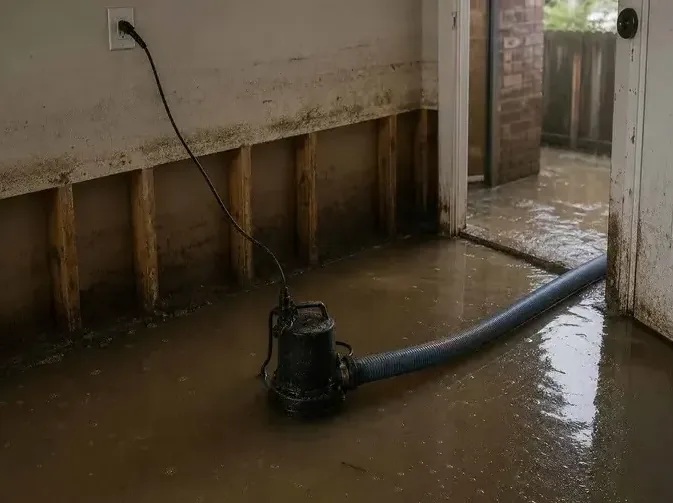 Flood and Storm Water Cleanup
Heavy rain can push water in through doors and low spots; pumping, tear-out and drying follow.
See the service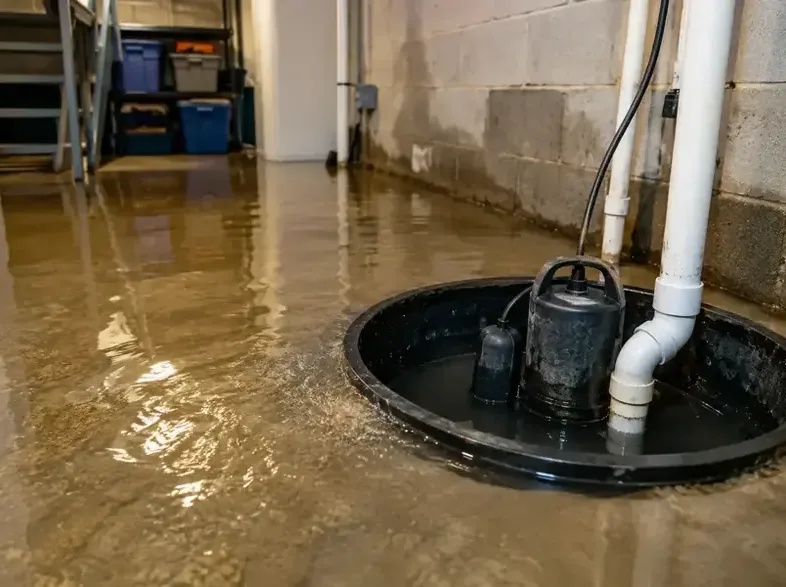 Basement Flooding Cleanup
Water in a lower level is extracted first, then soaked carpet and drywall come out and dehumidifiers run.
See the service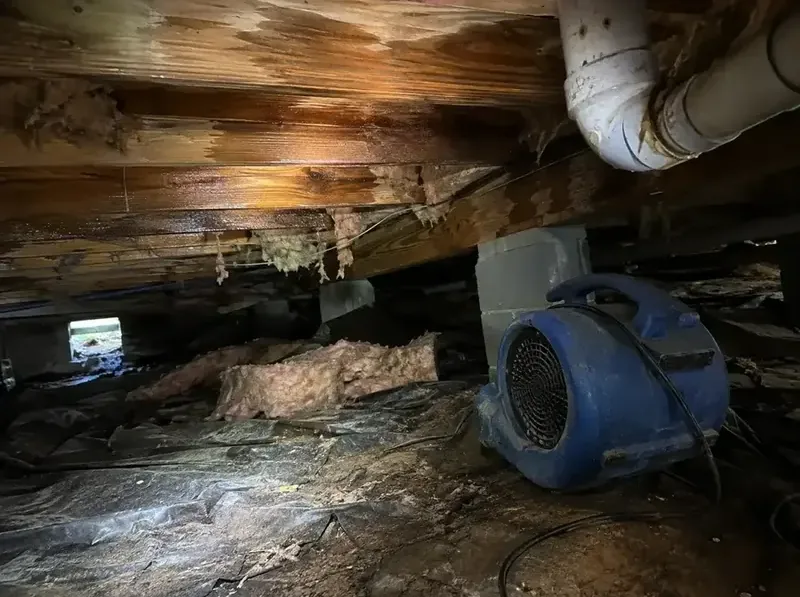 Crawl Space Water Removal
Water pooled under a floor is pumped out, then joists, subfloor and insulation are dried before damage spreads upward.
See the service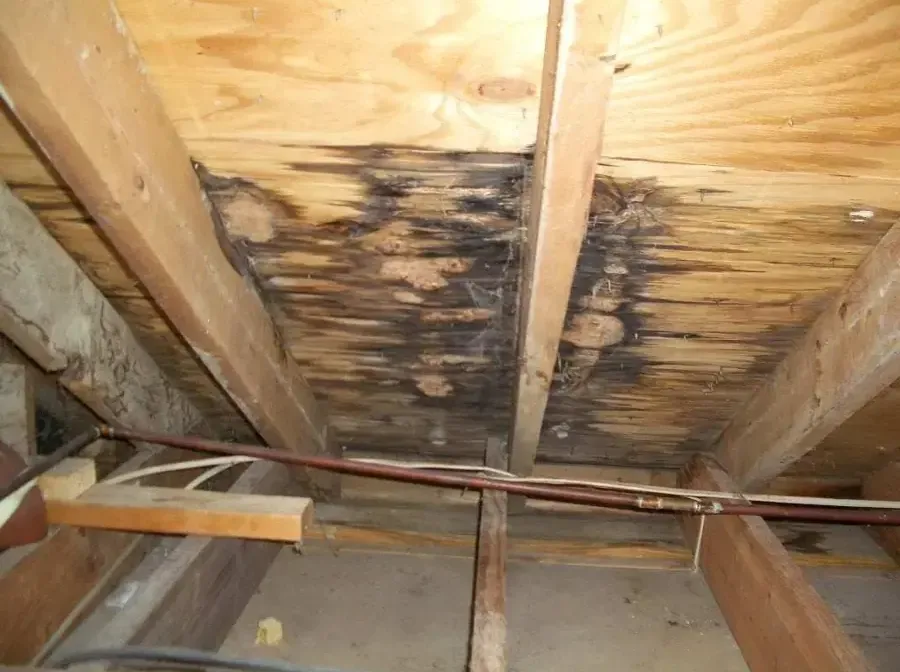 Roof Leak Water Damage
A roof leak shows up as stained ceilings and wet insulation, so the attic and the rooms below get dried.
See the service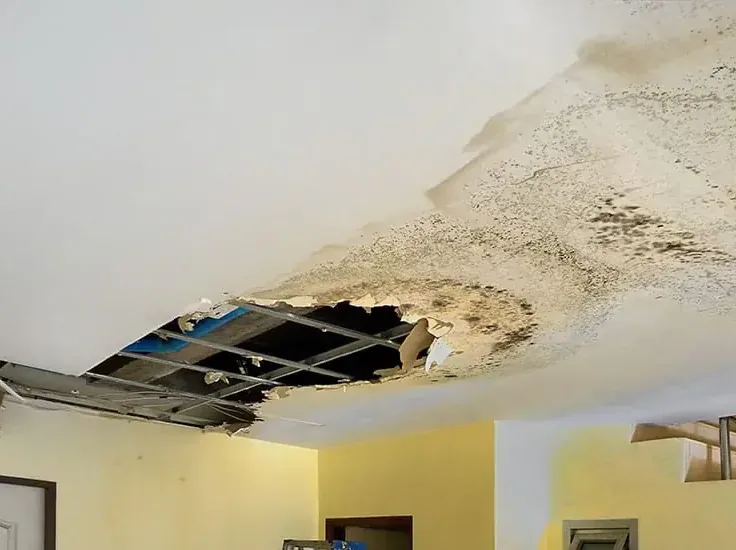 Ceiling Leak Water Damage
A sagging or stained ceiling means water is sitting above it; the wet drywall and insulation are opened and dried.
See the service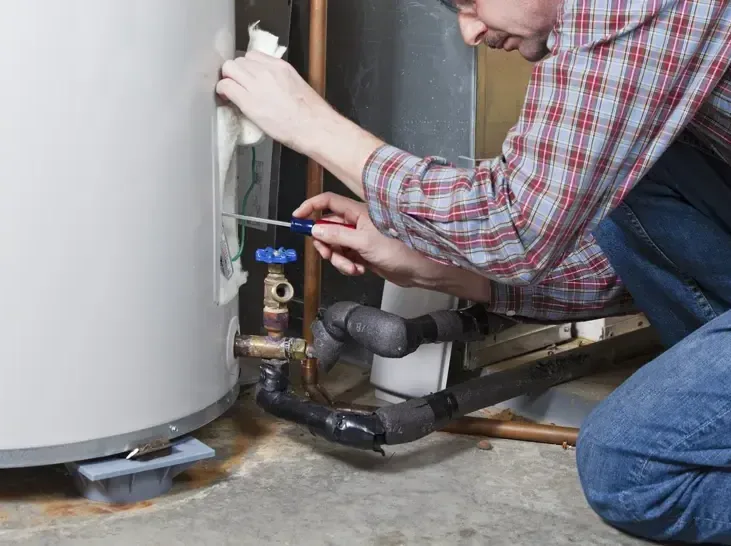 Water Heater Leak Cleanup
A leaking tank floods the floor around it; the water is extracted and the walls and floor are dried.
See the service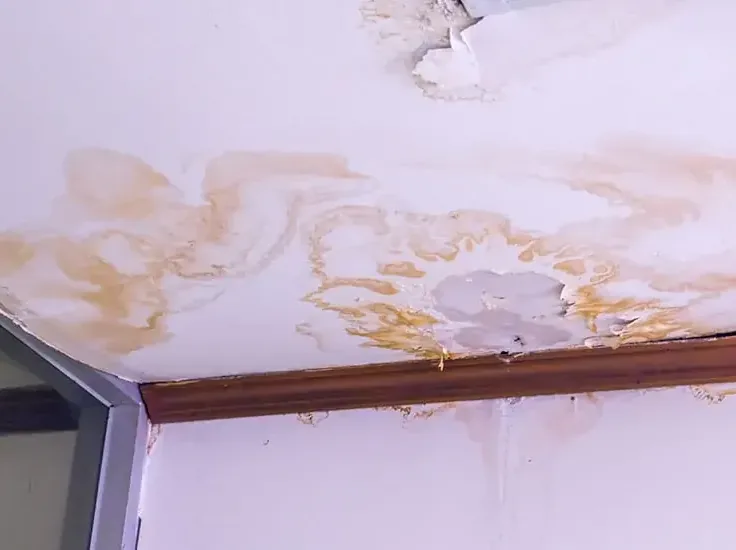 AC Condensate Leak Water Damage
A clogged condensate drain can drip into a ceiling or closet unseen, so the wet area is mapped and dried.
See the service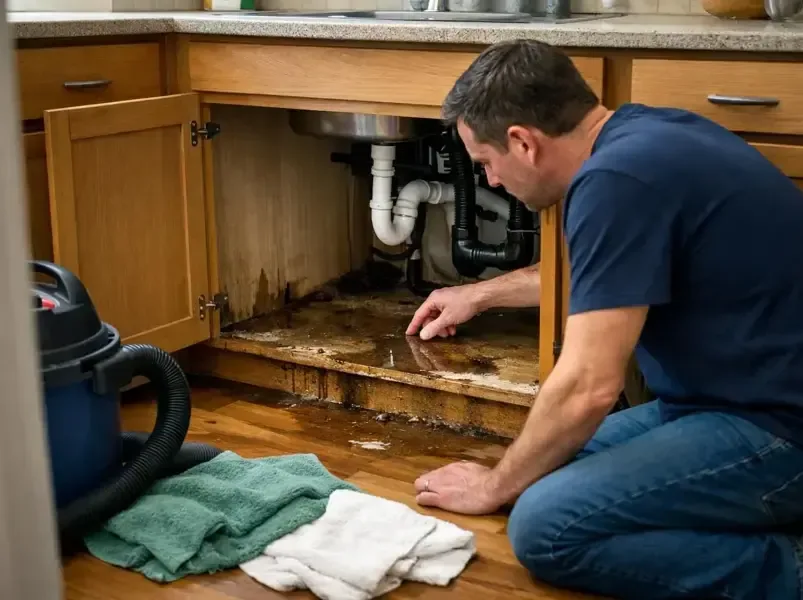 Appliance and Supply Hose Leaks
A washer, dishwasher or refrigerator hose can leak into the floor unseen; the crew extracts and dries it.
See the service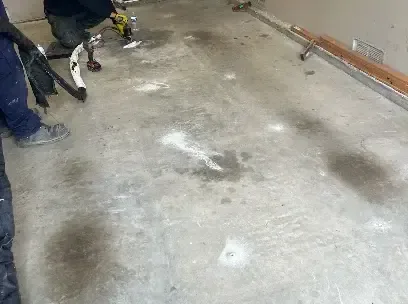 Slab Leak Water Damage
A leaking pipe under the floor can soak flooring and walls before anyone notices; extraction and drying follow.
See the service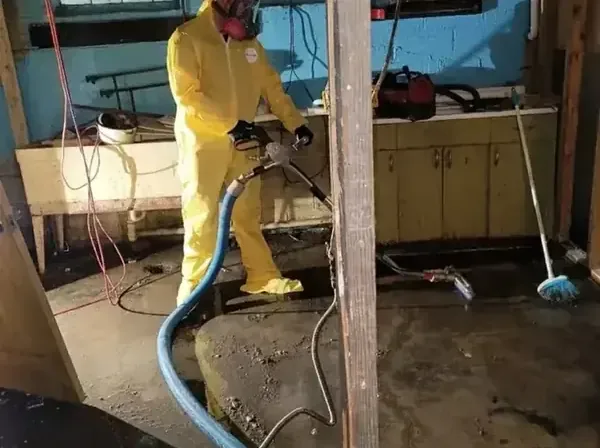 Sewage Backup Cleanup
Sewage inside a home needs containment, removal of soaked materials and disinfection, not just a mop and bucket.
See the service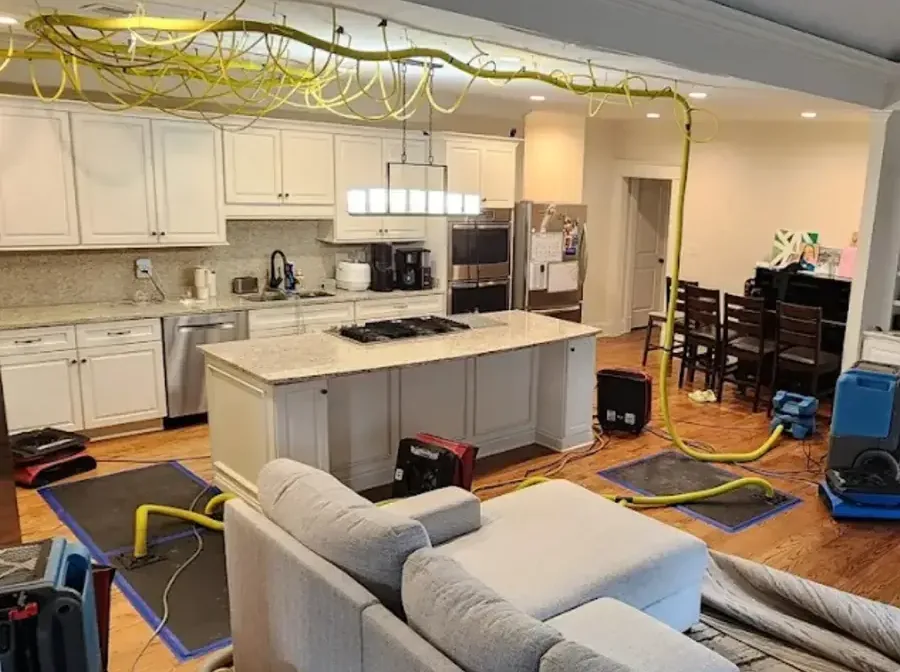 Structural Drying and Dehumidification
Wet framing and subfloor are dried with measured equipment and read daily until they reach a dry standard.
See the service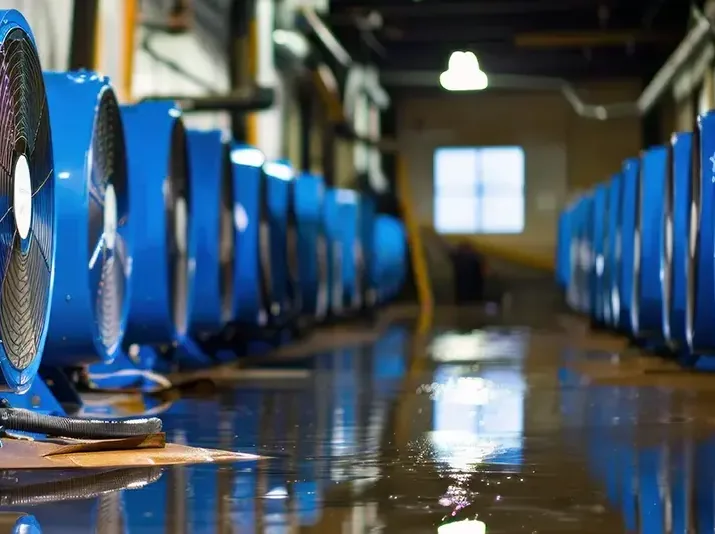 Commercial Water Damage
Shops, offices and medical buildings get a phased, documented drying plan so the business can reopen sooner.
See the serviceWhat to do right after water shows up in your home
- 01Stop the source Shut the main water valve if a pipe is leaking, turn off power to wet areas if it is safe, and keep people and pets out of the water.
- 02Photograph everything Take photos and video of the damage and the wet belongings before anything moves; insurers like to see the water as it was.
- 03Lift what you can Move small furniture, rugs and electronics out of the wet area and pull up soaked items that can be saved.
- 04Call the drying crew Describe what happened, which rooms are wet and how long it has been, so the team can plan extraction, drying equipment and the paperwork your claim needs.
A local team that measures the work
Douglas County has seen fast overnight floods, so the crew works from moisture readings, not guesses.
Rapid local response
The crew is based nearby and plans each job around the building, the water source and how far the moisture has spread.
Equipment that measures
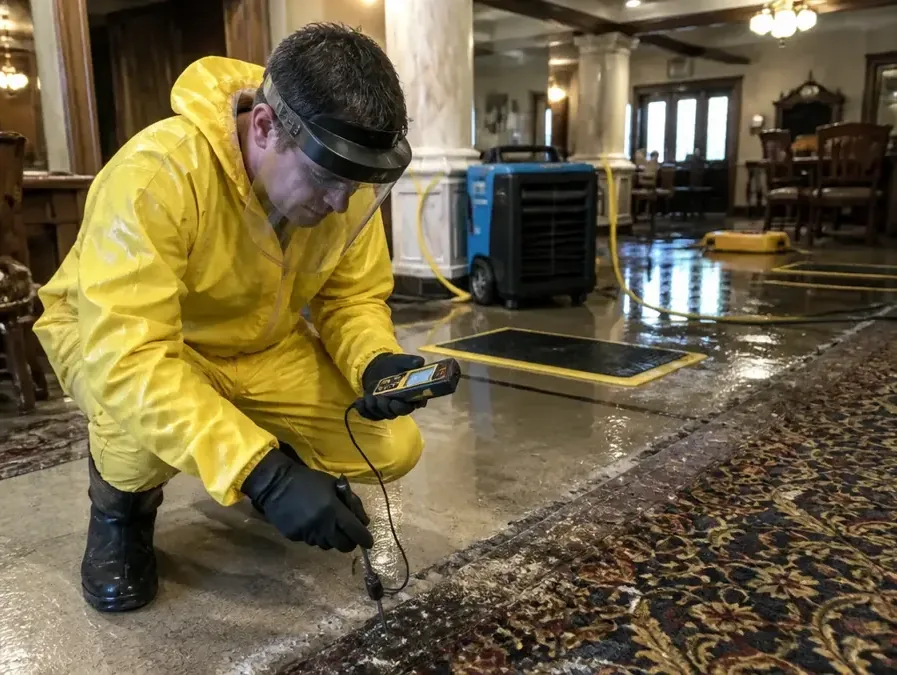
Moisture meters and thermal cameras show where water is hiding, and dehumidifiers and air movers are sized to the room.
Claim-ready documentation
Photos, readings and daily logs are kept so the insurance file shows what was wet and what was done.
Local water know-how
Past floods and local utilities are familiar ground, so the crew knows how water behaves here and what to document.
How a dry-out is run, step by step
Every job follows the same structured sequence: assessment, water removal, structural drying and a final check that the readings match the dry standard, with moisture logged along the way.
Assess
The team finds the water source, maps wet areas with meters and thermal cameras and decides what can be dried in place and what must come out.
Remove the water
Pumps and truck-mounted extractors lift standing water, and soaked pad or drywall is cut out and bagged.
Dry the structure
Air movers and LGR dehumidifiers run on the affected rooms while readings are taken daily and equipment is moved as areas dry.
Confirm and document
Final readings are compared with dry reference points, and the photos and logs are compiled for the insurance file.
Clean, gray and black water need different handling
Clean water
Water from a supply pipe, a tank or a hose starts clean but worsens the longer it sits in pad and drywall.
Burst pipe water damageGray water
Dishwashers, washing machines and some overflows release used water that carries soap and contaminants and must be handled with care.
Appliance and hose leaksBlack water
Sewage and floodwater carry bacteria, so porous materials come out, the area is contained and surfaces are disinfected.
Sewage backup cleanupWhat water damage restoration usually costs here
Cost depends on how much water entered, how long it sat and which materials soaked it up. Most jobs fall into three ranges, from a small leak to a whole level loss.
Small clean-water leak
- Truck-mounted water extraction
- Wet pad and baseboard removal
- Drying with air movers
Several wet rooms with wall damage
- Flooring and lower drywall removal
- Wall cavity and subfloor drying
- Daily moisture readings
Whole level or Category 3 loss
- Cabinet and flooring removal
- Containment and HEPA scrubbing
- Whole-level drying
Final pricing depends on an in-person moisture check, and a sudden, accidental leak may be covered by homeowners insurance.
Try the water damage cost calculatorEquipment and techniques used on local jobs
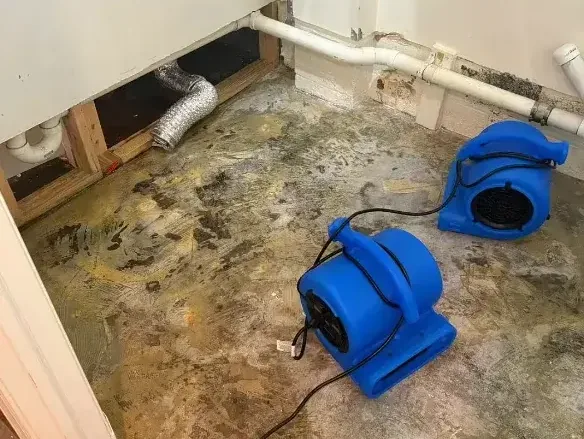
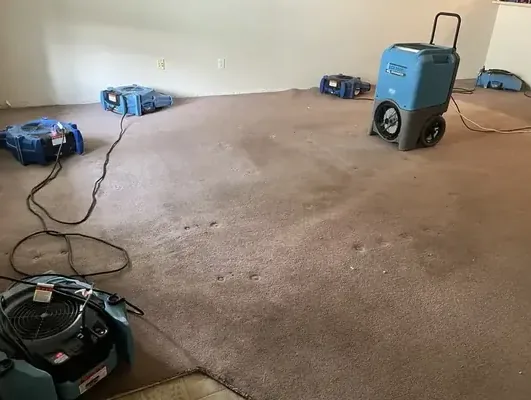
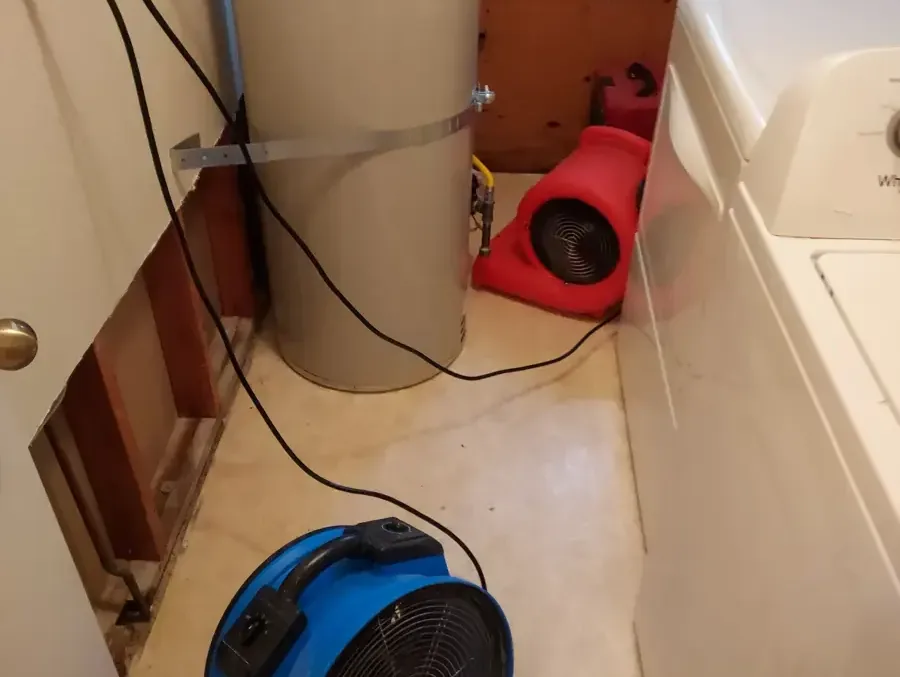
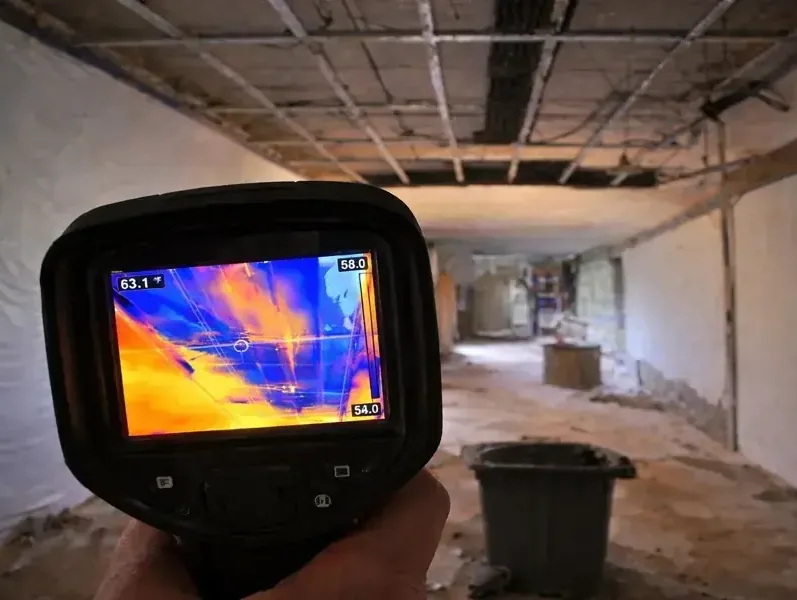
Documenting water damage for your claim
Insurers want proof of the source, the spread and the drying needed, so documentation starts at the first visit.
- Dated photos of every wet room and damaged item
- Moisture readings recorded at the start and each day after
- A written description of the water source and cause
- Itemized notes on materials removed and equipment used
- Final readings showing the structure reached the dry standard
Steps to take on your own
Read the policy for sudden and accidental water, note the deductible and report the loss early, because delays can complicate a claim.
Keep receipts for emergency repairs, save damaged items until the adjuster has seen them, and ask the restoration team for copies of the readings and photos when the job closes.
Serving homes and businesses across Douglas County
The restoration team works across the Douglasville area, from historic downtown and the Douglas Boulevard Corridor to residential streets off the main roads.
Mailing addresses here include unincorporated land, and the crew serves those homes as well as addresses inside the city.
(888) 532-4616Check service for your Douglas County addressWhere the crew works around Douglasville
Corridors and neighborhoods
ZIP code
Nearby communities

Water risks that shape local jobs
Local flood reports mention Sweetwater Creek, Mobley Creek and West Billy Creek, and a USGS gauge watches Anneewakee Creek, so heavy rain is a real concern and standing water needs to come out fast.
- Fast overnight flooding Overnight rain in September 2009 and April 2014 flooded parts of the county, and soaked flooring and drywall begin to fail soon after.
- Heavy rain on roofs Three inches or more of rain fell in April 2014, and storms like that show up on a roof as stained ceilings and wet attic insulation.
- Sewage inside the home A backup inside a home is Category 3 water, which needs containment, removal of soaked materials and disinfection before drying starts.
- Pipes and appliances Supply hoses, water heaters and AC drains can leak unseen, and a slow drip behind a wall or above a ceiling soaks framing before any stain appears.
- Cold-night pipe splits A pipe that freezes on a cold night can split, and the flood only shows once it thaws, soaking walls, ceilings and floors.
September 20 to 21, 2009: Extreme overnight rain flooded Douglas County, destroying many roads and homes; the state declared an emergency, and Douglasville, Villa Rica, Austell, Lithia Springs and Chapel Hill were hit hardest.
Water damage questions from local homeowners
Water in the house right now?
Describe what happened and the crew will explain the next steps, from shutting off the source to setting up drying equipment.
(888) 532-4616 Call about the water nowHow much does water damage restoration cost here?
Small clean-water leaks often run $1,200 to $3,500, several rooms $4,500 to $10,000 and whole-level losses $12,000 to $30,000. Contamination, materials and the days of drying move a job within those ranges.
Who provides water and sewer service here?
The Douglasville-Douglas County Water and Sewer Authority, called WSA, provides water and sewer service and publishes an online outage map. A leak inside a home is still a job for a plumber and a drying crew.
Where do plumbing and water heater permits come from?
The City of Douglasville Building Division, part of Community Development, handles permits, including a separate plumbing permit and homeowner applications for water heater replacement. Douglas County has its own Building Permits and Inspections office, separate from the city.
How quickly can water ruin drywall and flooring?
Carpet pad and drywall begin absorbing water right away, and mold can start in 24 to 48 hours, so extraction and drying should begin as soon as the water is found. Waiting even one night can turn a small leak into a larger job.
Has the area flooded before?
Yes. Extreme overnight rain flooded Douglas County on September 20 to 21, 2009, and in April 2014, Fowler Field on Chapel Hill Road looked like a lake after heavy rain. Homeowners can check a specific address in Georgia's DFIRM flood map tool.
Does homeowners insurance cover water damage?
Policies usually cover sudden and accidental water, such as a burst pipe or a failed hose, but not slow seepage or rising floodwater, which needs separate flood coverage. Reading the policy before calling is wise.
How is sewage backup different from other water?
Sewage is Category 3 water that carries bacteria, so the area is contained, porous materials such as carpet and drywall are removed and surfaces are disinfected. See sewage backup cleanup.
What does structural drying involve?
Air movers and LGR dehumidifiers run on the wet rooms while moisture meters track readings each day, and the equipment stays until wood, drywall and subfloor reach their dry standard. See structural drying.
Can a business stay open during cleanup?
A phased plan can keep part of a shop, office or clinic open while another area dries, depending on how far the water spread and what the space is used for. Photos and logs for each suite also make a commercial claim easier to file.
Does the crew serve addresses outside the city limits?
Douglasville mailing addresses include unincorporated land, and the crew works in subdivisions around town such as Anneewakee Trails, Bear Creek Club and Dorsett Shoals.
Start drying your home before the damage spreads
The sooner the water is out and the drying equipment is running, the less flooring, drywall and framing has to be replaced.
(888) 532-4616Talk through your water loss