Water Damage Restoration Smyrna, GA
When a pipe bursts, a creek rises or a drain backs up in Smyrna, the order stays the same: stop the source, pump out the water, then dry the structure until readings are normal.
Equipment stays as long as moisture readings call for it, so drywall, framing and concrete are dry before anything gets rebuilt.

and drying
Every kind of water problem, one dry-out plan
Each service below follows one path from source control to a measured dry finish, whether the problem is a supply hose in a townhome or a creek-side flood.
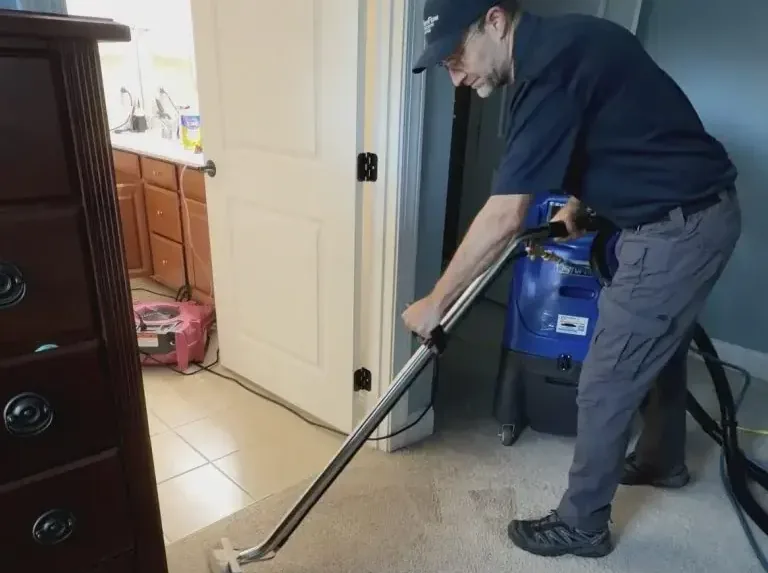 Water Extraction and Removal
Truck-mounted and portable extractors pull standing water from carpet, tile and subfloors before drying starts.
See the service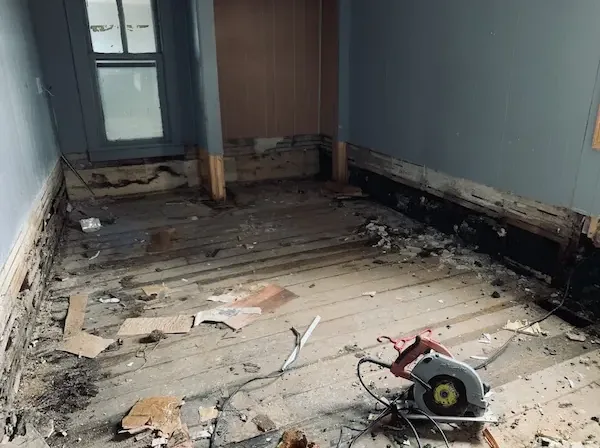 Burst Pipe Water Damage
A burst pipe is shut off first, then wet walls are opened, extracted and dried.
See the service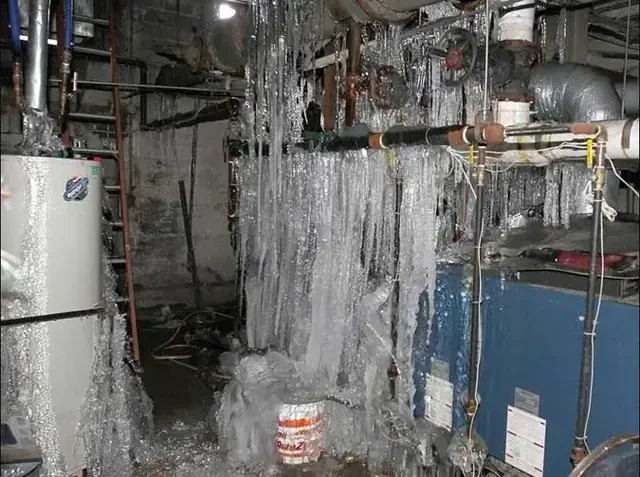 Frozen Pipe Water Damage
Pipes that split in a cold snap flood walls and ceilings once they thaw, and wet cavities are dried.
See the service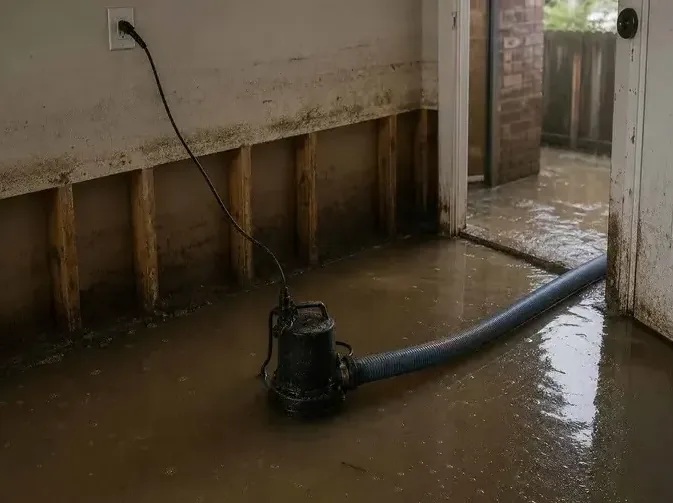 Flood and Storm Water Cleanup
Creek overflow and storm runoff carry silt and contaminated water indoors, so everything touched is pumped, removed and dried.
See the service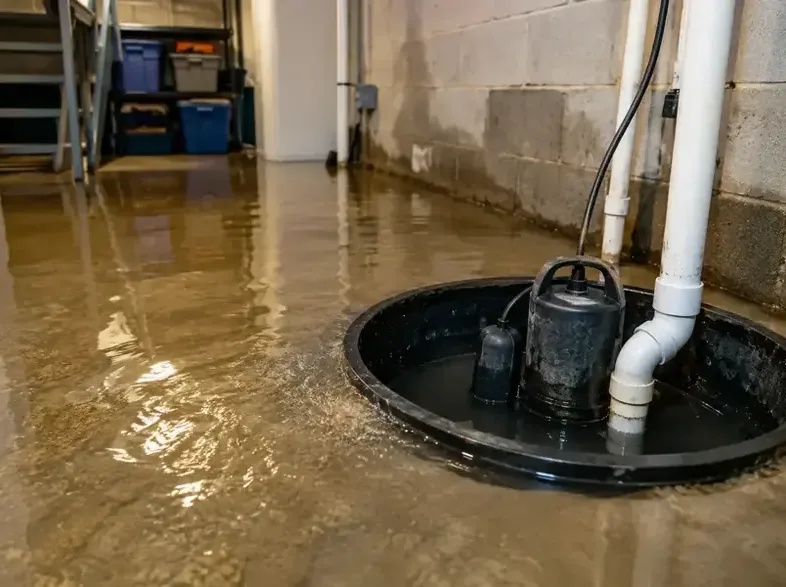 Basement Flooding Cleanup
Lower-level water is pumped out, then wet carpet and drywall come out so floors and walls can dry.
See the service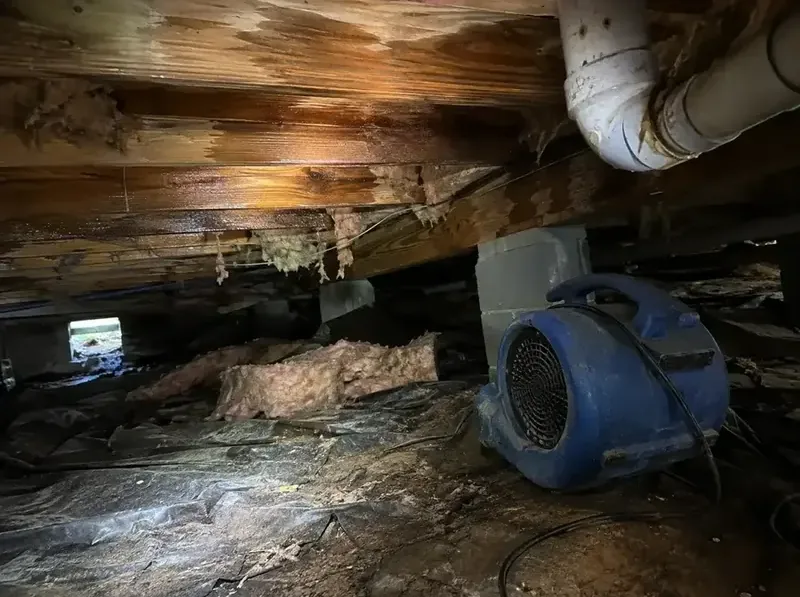 Crawl Space Water Removal
Standing water under a floor is pumped out, soaked insulation is removed and framing is dried to readings.
See the service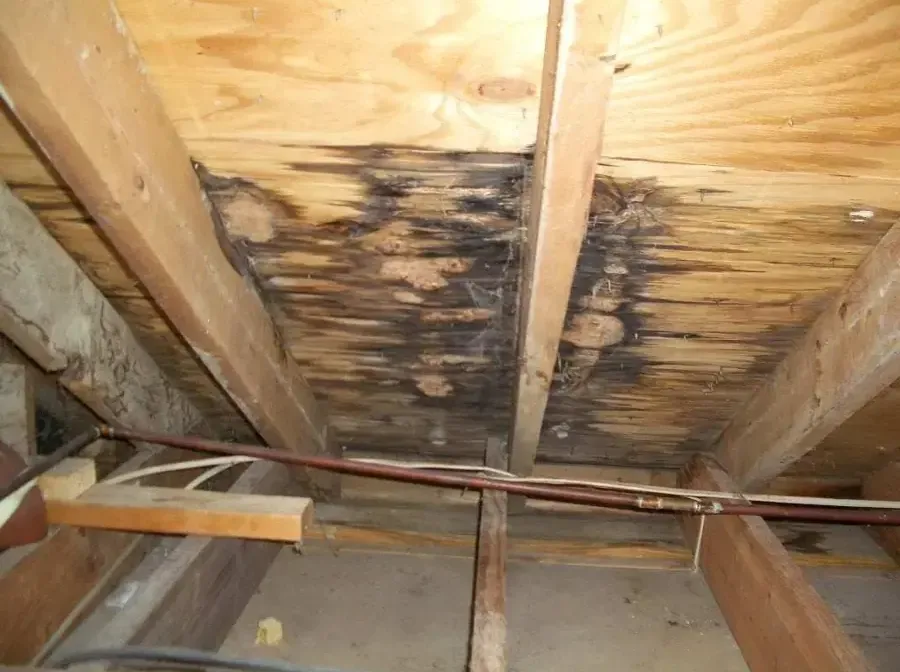 Roof Leak Water Damage
Rain that gets past the shingles soaks attic insulation and ceilings, which are opened and dried.
See the service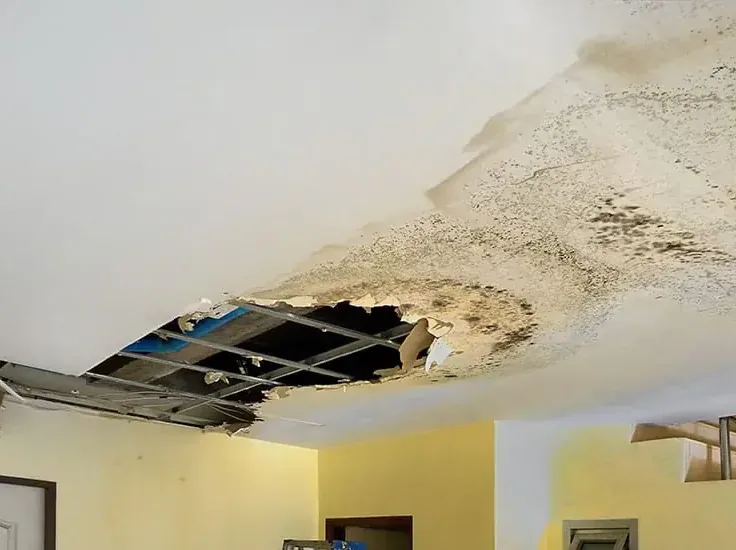 Ceiling Leak Water Damage
A ceiling stain often starts in another space, so the leak path is traced and the wet materials dried.
See the service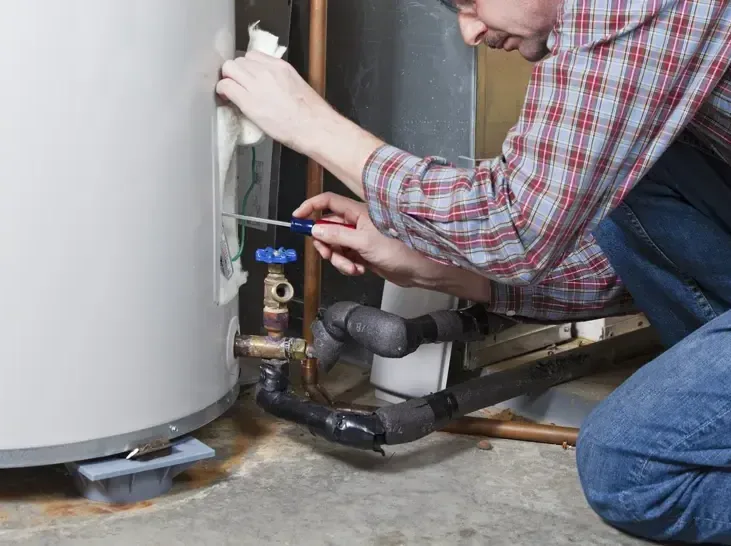 Water Heater Leak Cleanup
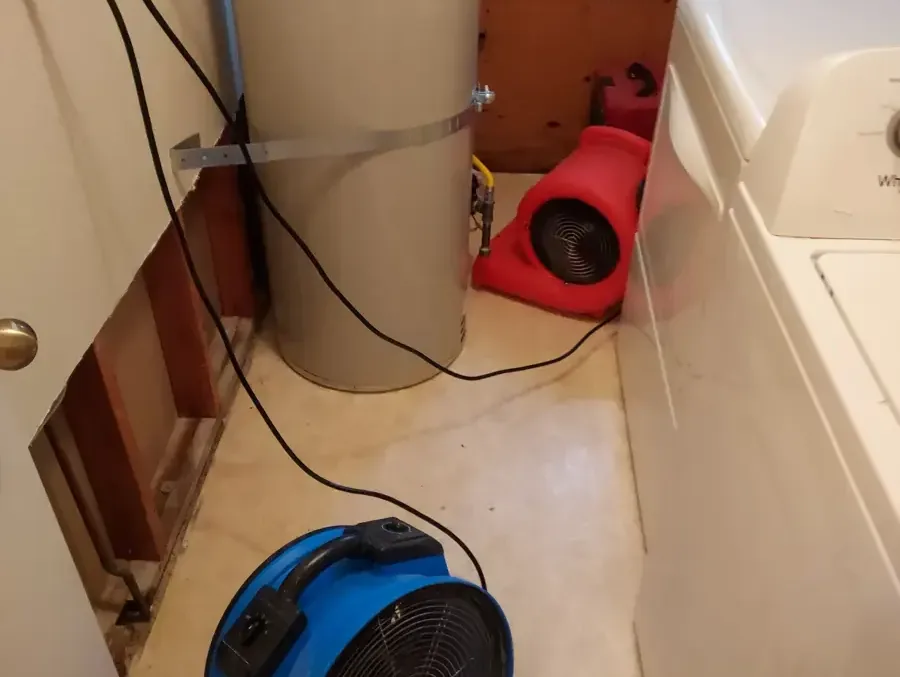
A failing tank floods the floor around it, so water is extracted and baseboards, drywall and subfloor are dried.
See the service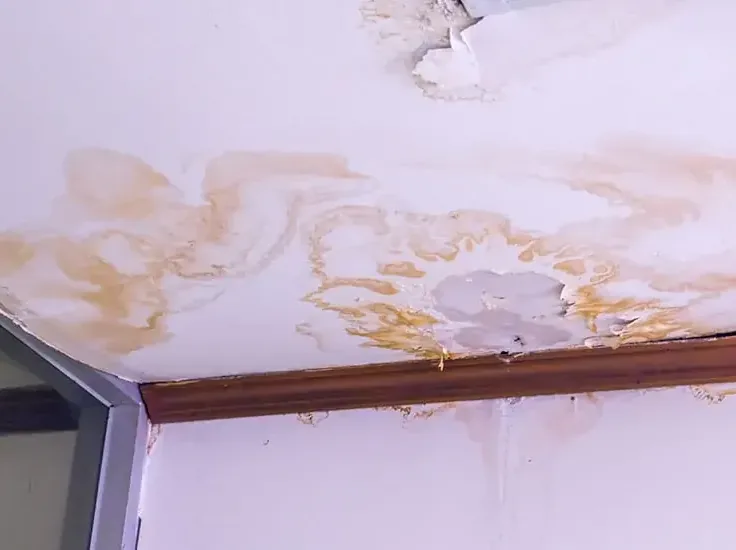 AC Condensate Leak Water Damage
A clogged air conditioner drain overflows into ceilings and walls, and wet insulation is mapped and dried.
See the service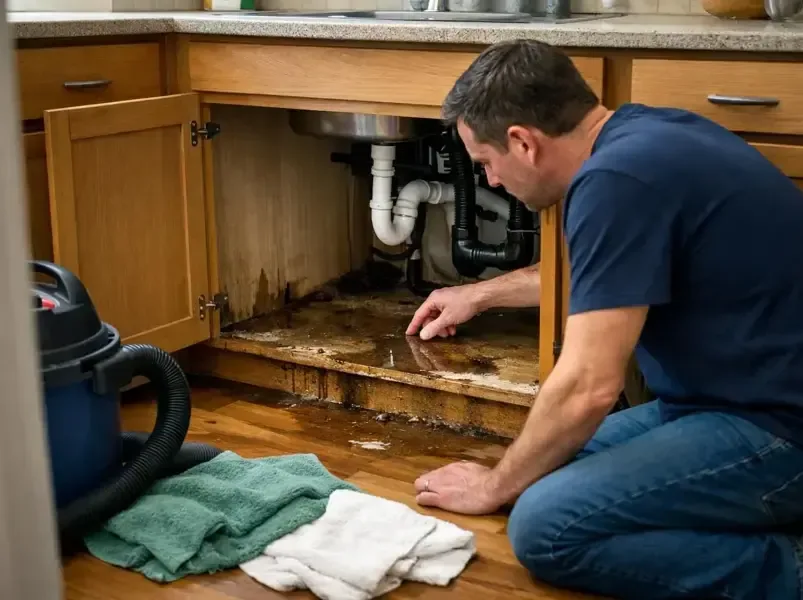 Appliance and Supply Hose Leaks
Washer, dishwasher and supply hose leaks hide under flooring and cabinets until the wet areas are found and dried.
See the service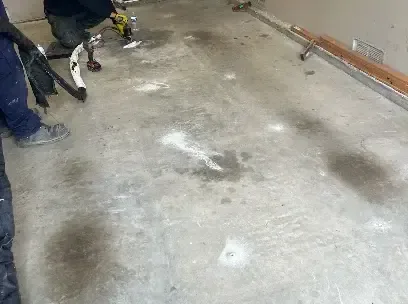 Slab Leak Water Damage
A pressure leak under concrete wets floors and walls before a stain shows, so the wet area is traced and dried.
See the service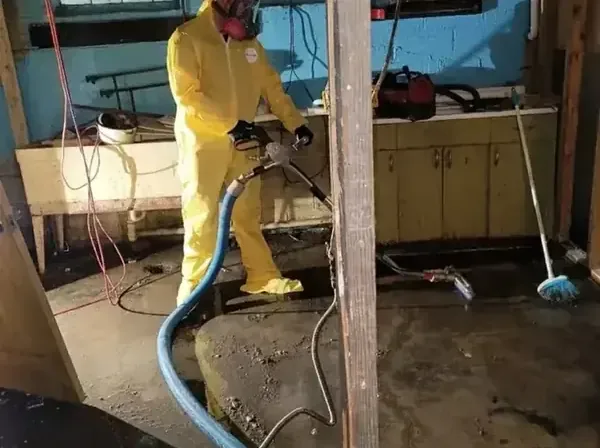 Sewage Backup Cleanup
Sewage backups are Category 3 water, so rooms are contained, cleaned and treated before drying starts.
See the service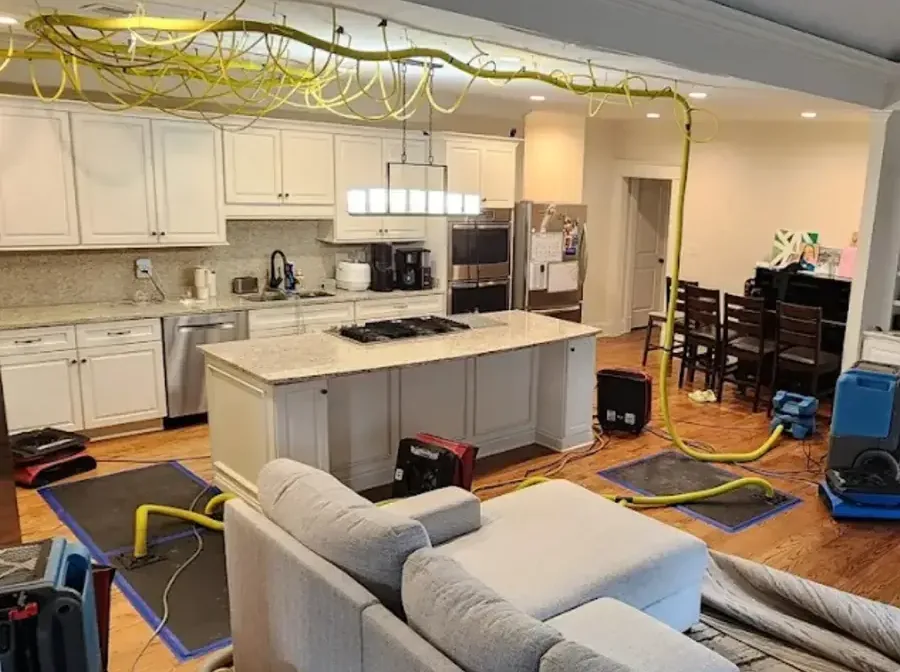 Structural Drying and Dehumidification
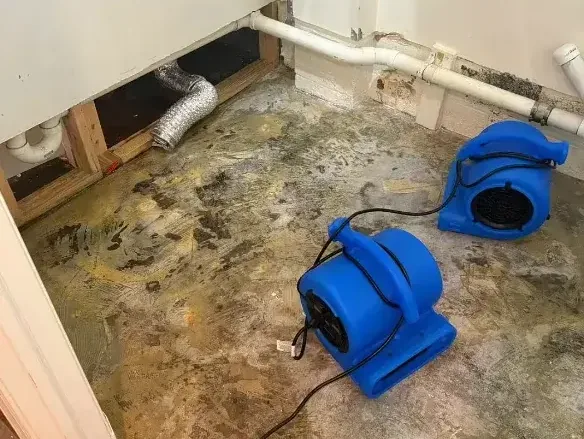
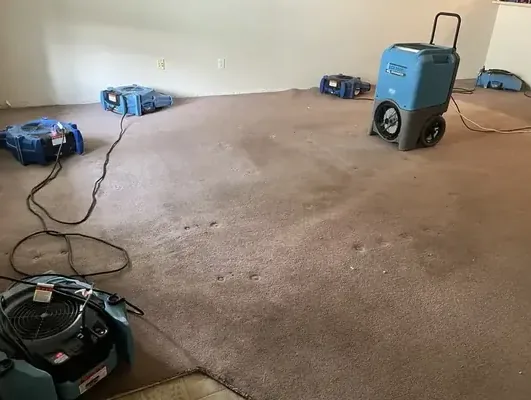
Air movers and dehumidifiers dry walls, floors and framing until readings match dry references, with logs kept.
See the service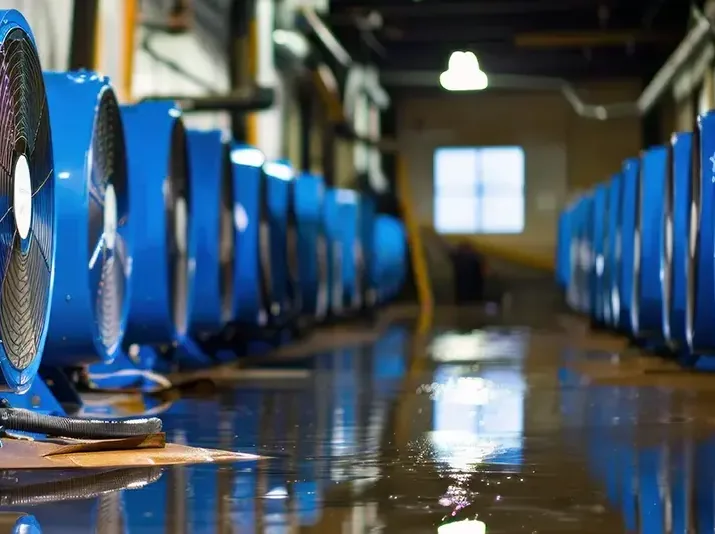 Commercial Water Damage
Shops, warehouses and apartment buildings get phased plans so operations can resume while each area dries.
See the serviceWhat to do as soon as water shows up
- 01Stop the source Close the main valve at the house or the shutoff at the fixture, and cut power to wet rooms at the panel only if the floor around it is dry.
- 02Protect what matters Lift small furniture, rugs and electronics onto dry surfaces and set aside valuables, but leave wet flooring and drywall for the crew to assess.
- 03Photograph the loss Shoot wide and close photos of every wet room, the source and ruined belongings so the claim file starts with proof.
- 04Describe the water Tell the team where it came from, how long it stood and which rooms are wet, since that sets the plan and the equipment.
A drying team that knows Cobb County
Local crews know the creeks and the older streets, and they plan each dry-out around the building, not a template.
Rapid local response
The first visit starts with the source and the standing water, then maps what is wet, so real drying work begins on day one.
Equipment sized to the job
Air movers and dehumidifiers are chosen from room volume and material type, then adjusted as the readings change from one day to the next.
Claim-ready documentation
Photos, daily moisture readings and equipment logs are kept in one record that the adjuster can follow.
Local water know-how
Creek-side streets, mid-century ranches and townhomes above shops each leak differently, so the plan changes with the building.
How a dry-out moves from wet to measured dry
Each job runs through four stages, and every stage ends with a reading rather than a guess, so the record shows exactly when the structure reached dry.
Assess
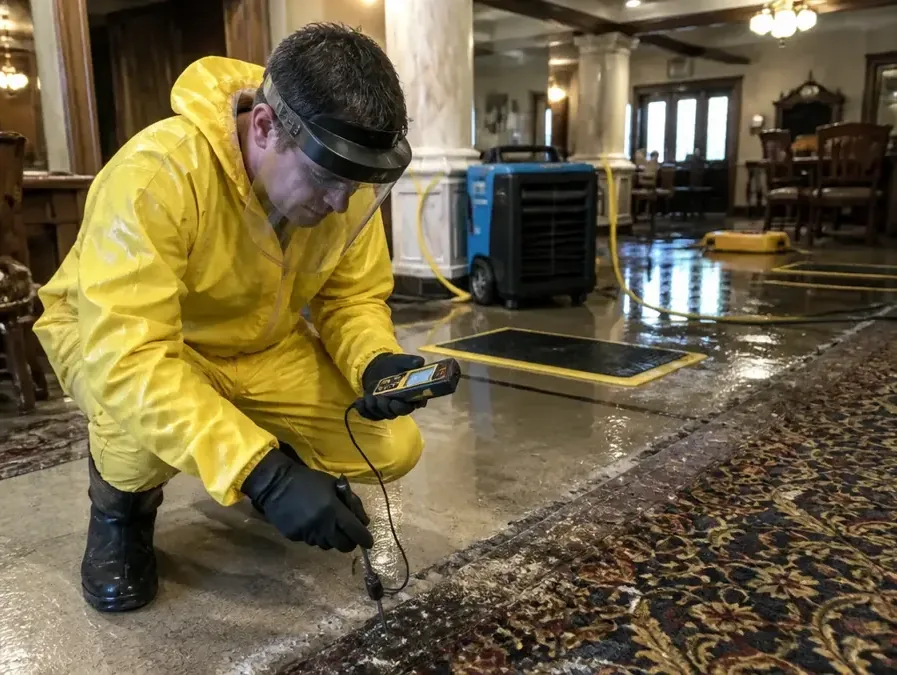
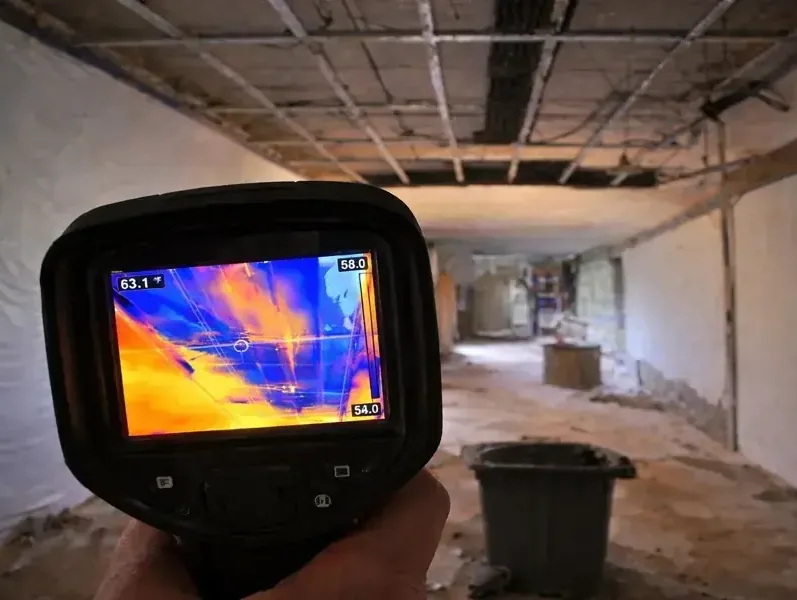
Probes and an infrared camera trace how far the water traveled, which materials soaked it up and which category of water is involved.
Remove the water
Pumps and extractors take the standing water first, and soaked pad, insulation or drywall that cannot dry in place is cut out and hauled away.
Dry the structure
Air movers and dehumidifiers run until readings at the wettest spots match dry reference points, with adjustments at each visit.
Confirm dry, then document
Final readings, photos and equipment records are collected so the adjuster and the owner work from the same record.
The water category sets the cleanup plan
Clean water
Water from a supply pipe or a tank starts clean, but it gathers bacteria the longer it sits in wet drywall, pad and framing.
Burst pipe water damageGray water
Washer, dishwasher and shower overflow carries soap, food and some contamination, so soaked porous materials usually come out.
Appliance and supply hose leaksBlack water
Sewage and creek floodwater carry pathogens, so rooms are contained, porous materials removed and surfaces treated before drying.
Sewage backup cleanupWhat does water damage cleanup cost in Cobb County?
Small clean-water leaks often land between $1,200 and $3,500, and larger losses climb from there, because price follows the wet area, the materials involved and the number of drying days.
Small clean-water leak
- One room extracted and dried
- Moisture readings and equipment
- Several days of air drying
Several rooms or one level
- Wet drywall cut out
- Flooring and pad removed and hauled
- Daily moisture logs kept
Sewage or long-running leak
- Contained cleaning and treatment
- Cabinet and fixture removal
- Whole-level drying
Final cost follows the square footage affected, the water category and the drying days, and the crew explains the scope before work starts.
Try the water damage cost calculatorEquipment and methods used on local jobs
Documentation an adjuster can use
Insurers want proof of the loss and the work, so the record builds as the job moves instead of at the end.
- Photos of the source and every wet room
- Moisture readings from day one to final dry
- Equipment placed and removed, with dates
- An itemized scope tied to measured wet areas
- Notes on each material removed and the reason for it
Filing the claim yourself
Homeowners can file directly and pass along the photos and logs themselves, and the insurer, not the restoration team, decides what the policy covers.
For sewage, the City of Smyrna says a city or county is generally not liable for backup damage and many homeowners policies need added sewer backup coverage, so the policy deserves an early look.
Work continues past the city limits too
Jobs along Cobb Parkway, Atlanta Road and South Cobb Drive are part of the work area, as are buildings near the Cumberland Community Improvement District, a major jobs center just east of the city limits.
Homes and shops across Cobb County follow the same extraction and drying steps.
(888) 532-4616Tell the team what happenedWhere the crews work in town
Corridors and neighborhoods
ZIP codes
Nearby communities

What puts local homes at risk
Smyrna sits in the Georgia Piedmont, where hills and narrow valleys drop from about 1,080 feet in the northwest to about 800 feet near the Chattahoochee River, so runoff heads for creeks and low spots.
- Creeks that rise fast. Coopers Creek runs behind the Coopers Creek Circle subdivision and joins Nickajack Creek, and floodplains also follow Poplar Creek and the Chattahoochee River.
- Storm pipes that clog. Cobb County said heavy rain pushed debris into storm water pipes near Coopers Creek Circle in July 2024 and the pipes collapsed, showing how drainage fails under load.
- Sewers under strain. The city says a fixture lower than the lowest nearby manhole lid is susceptible to backup, and it reimburses up to $600 for a backwater valve when asked in writing first.
- River overflow. On September 27, 2024, the city said overflow from the Chattahoochee River flooded The Eddy at Riverview complex, a reminder that river overflow adds to creek risk.
- Pipes that freeze. Cobb County Water System issued a pipe-freeze alert on December 22, 2022, ahead of sub-freezing temperatures through Christmas, a regional warning and not a Smyrna incident report.
July 23, 2024: A flash flood swamped the Coopers Creek Circle cul-de-sac, firefighters moved residents out of five multifamily homes, and Cobb County Emergency Management counted 13 buildings affected, five with major damage.
Questions homeowners ask after water damage
Not sure what to do next?
Describe the source, the rooms involved and how long water stood, and the team outlines the extraction and drying plan.
(888) 532-4616 Describe the damage hereHow soon does drying need to begin?
As early as the area is safe, because wet drywall and framing can start growing mold within 24 to 48 hours. Extraction comes first, and drying equipment follows as soon as the surface water is gone.
Who responds to a sewer backup in Smyrna?
Residents call City of Smyrna Public Works, and an emergency crew is dispatched. The private sewer lateral, including its tie-in at the city sewer, is the owner's to maintain, and cleaning the affected rooms is separate restoration work.
Does homeowners insurance pay for sewer backup?
Usually only with added sewer backup coverage, which the city notes many homeowners policies need. The city also says a city or county is generally not liable, so the policy wording settles it, and good records help any claim.
What did the July 2024 flood show?
A flash flood on July 23, 2024 swamped the Coopers Creek Circle cul-de-sac, and the American Red Cross assisted 19 people afterward. It showed that a creek-side street can fill quickly, which is why extraction starts once the area is safe.
Can wet drywall be dried in place?
Sometimes. Clean water caught early can be dried through small access holes with air movers running, but wet insulation, soaked paper facing or contaminated drywall has to be cut out and replaced, and the readings decide which.
How many days will the equipment run?
Most clean-water jobs need several days, while thick framing, hardwood and concrete take longer. The team checks readings at every visit and pulls the equipment only when the wettest spots match dry reference points.
Is a backwater valve worth installing?
The International Plumbing Code and International Residential Code call for one on one and two family homes when fixtures sit below the sewer main's overflow relief point, and the City reimburses up to $600 for at-risk owners who ask in writing before installation.
What should happen when pipes freeze?
Close the main valve, open faucets to drain what remains and let a plumber handle the thaw. The Cobb County Water System alert on December 22, 2022 shows that regional cold snaps put exposed pipes at risk.
Do townhomes and apartments need different handling?
Often, because water crosses between stacked units and over shops, so the source unit, the units below and the building shutoffs all get sorted out together, with records that the manager and the carrier can use.
Does the crew handle shops and warehouses?
Yes. Commercial jobs run in phases so part of the building stays usable, with unit by unit moisture records for the owner and the carrier, and drying zones planned around how the space operates.
Water in the building? Get the drying started now
Tell the Smyrna drying team what failed and which rooms are wet, and the extraction and structural drying plan starts from that first conversation.
(888) 532-4616Start the Smyrna dry-out