Water Damage Restoration Marietta, GA
Local water damage experts pump out standing water, dry wet framing and clean sewage backups in Marietta homes, rentals and businesses across Cobb County, with every reading logged for the claim.
Storm flooding, burst pipes and sewer backups all get careful drying and daily readings, in rentals and owned homes alike.

and drying
Water damage services for every kind of leak
Pick the kind of loss that matches the situation, and the crew handles extraction, tear-out and drying with the same daily readings every time.
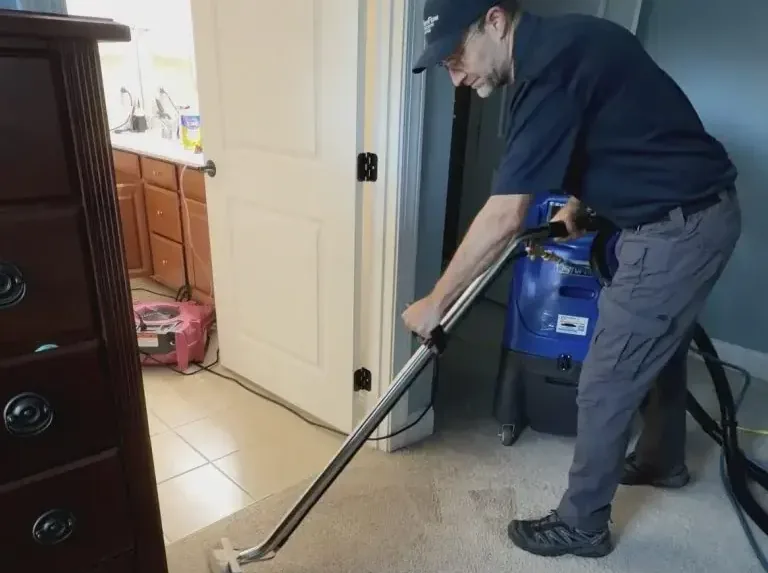 Water Extraction and Removal
Truck-mounted pumps pull standing water out of carpet, tile and subfloors before it soaks into framing and pad.
See the service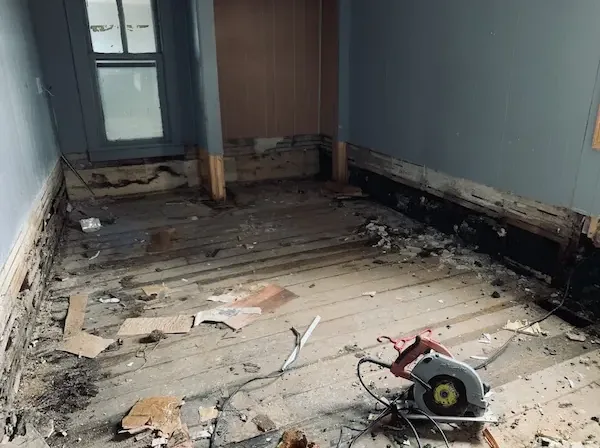 Burst Pipe Water Damage
Burst pipe water spreads through wall cavities and floors, so wet drywall comes out and framing gets dried.
See the service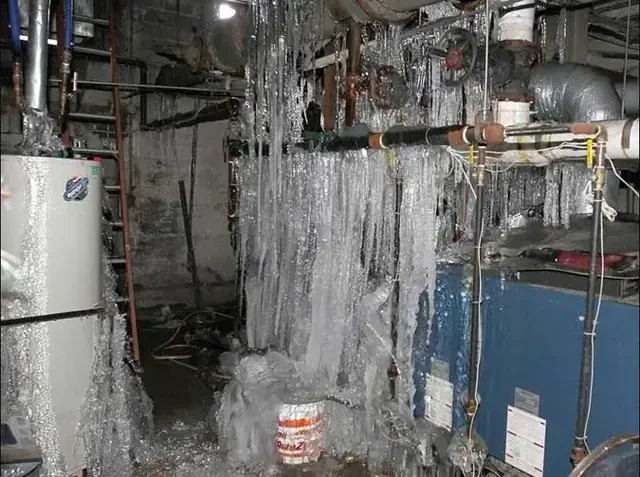 Frozen Pipe Water Damage
A frozen pipe that splits leaks inside the wall, so the crew opens it, extracts and dries the cavity.
See the service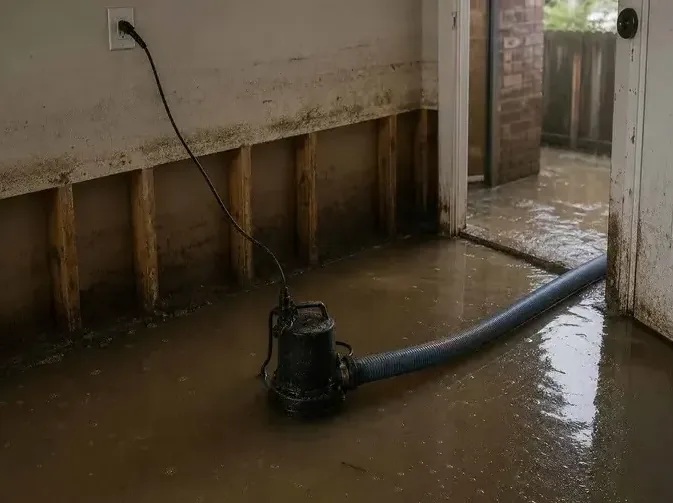 Flood and Storm Water Cleanup
Creek overflow and storm runoff bring mud and silt inside, and the crew pumps, hauls out debris and disinfects.
See the service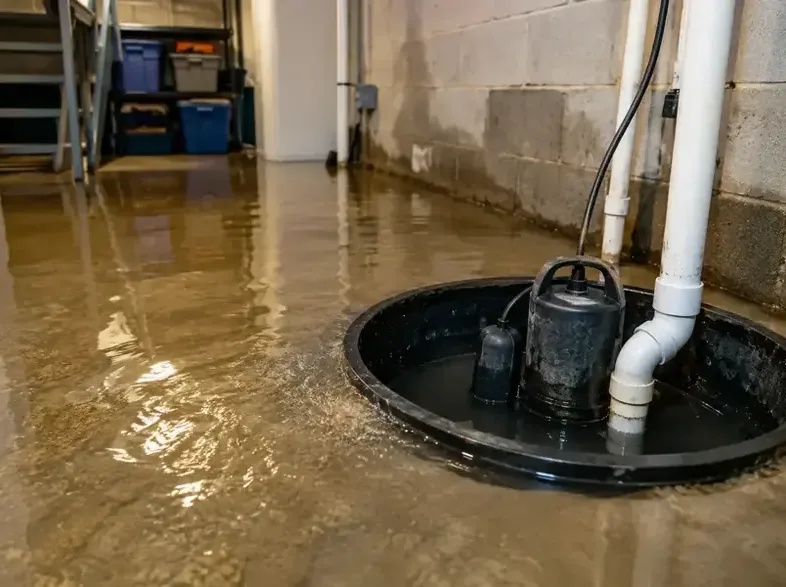 Basement Flooding Cleanup
Lower levels collect water first, so pumps, carpet removal and dehumidification start before block walls and slabs stay damp.
See the service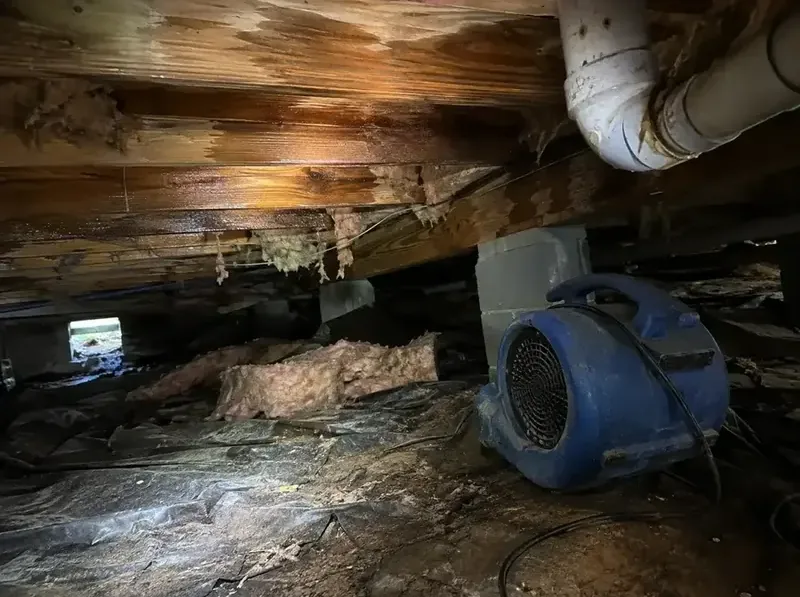 Crawl Space Water Removal
Water under the floor soaks insulation and joists out of sight, and the crew removes it and dries the framing.
See the service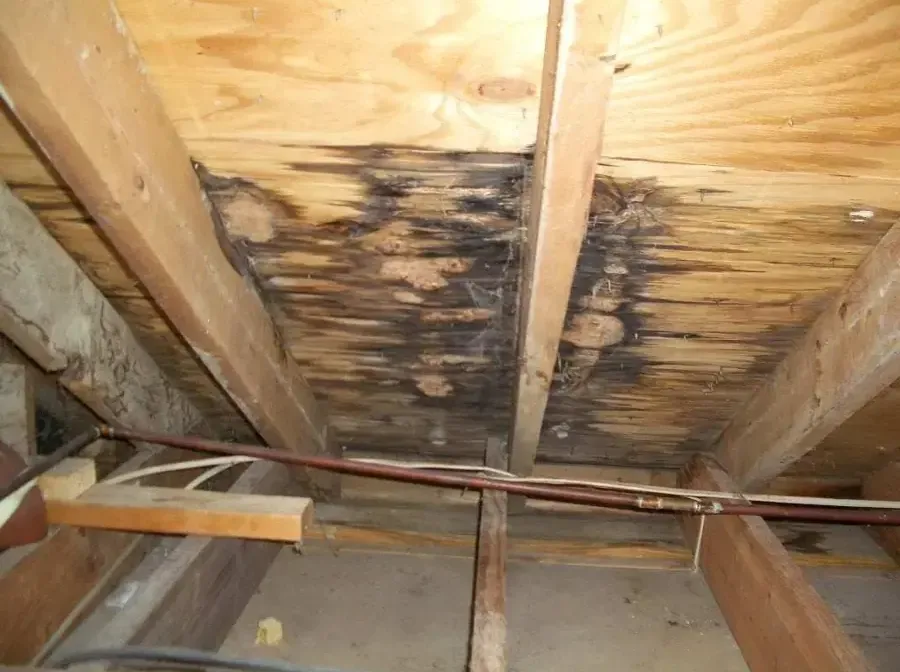 Roof Leak Water Damage
Storm winds and heavy rain find weak spots in a roof, and the crew dries the attic and ceilings below.
See the service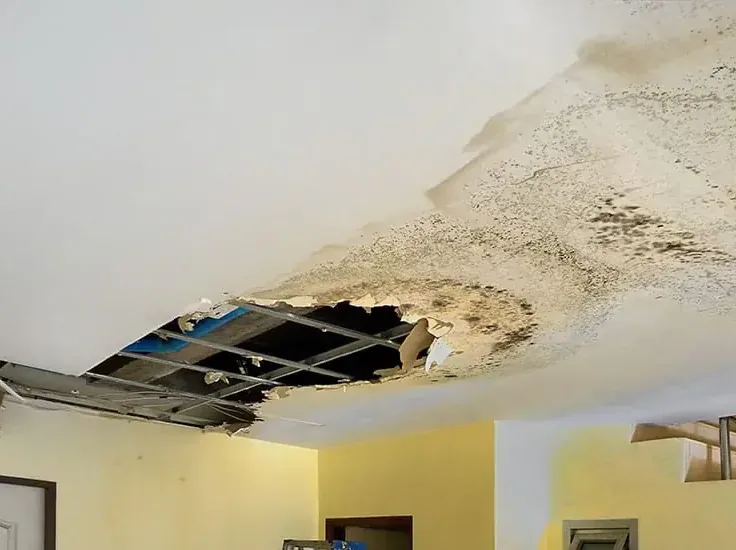 Ceiling Leak Water Damage
A stained or sagging ceiling hides a wet joist bay, so the drying team traces the source and dries above and below.
See the service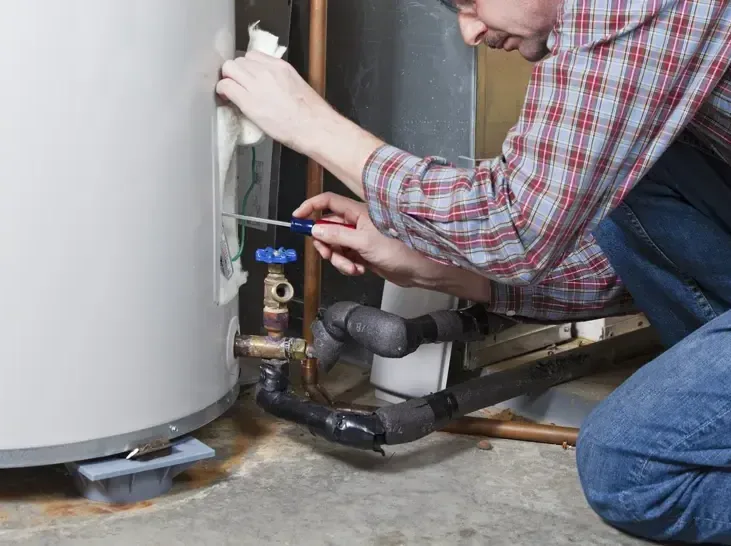 Water Heater Leak Cleanup
A failed tank floods a utility room, so the crew extracts, pulls wet drywall bottoms and dries the walls.
See the service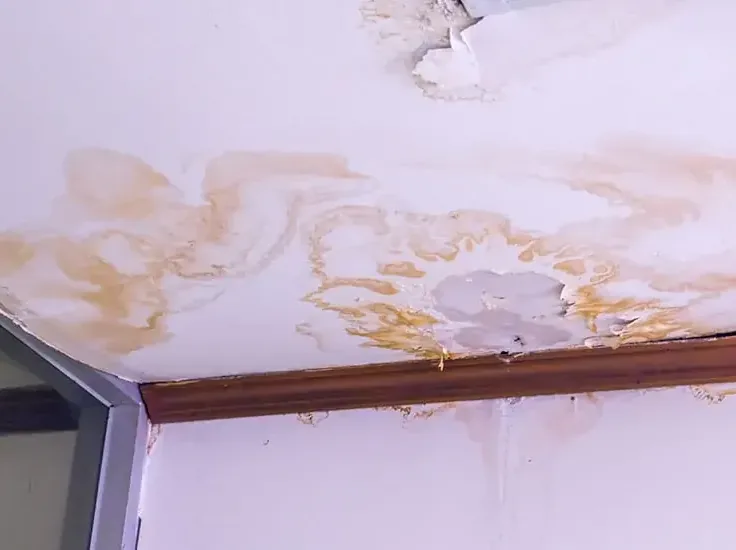 AC Condensate Leak Water Damage
A clogged condensate drain drips into ceilings and attics, so moisture is mapped before drywall comes out.
See the service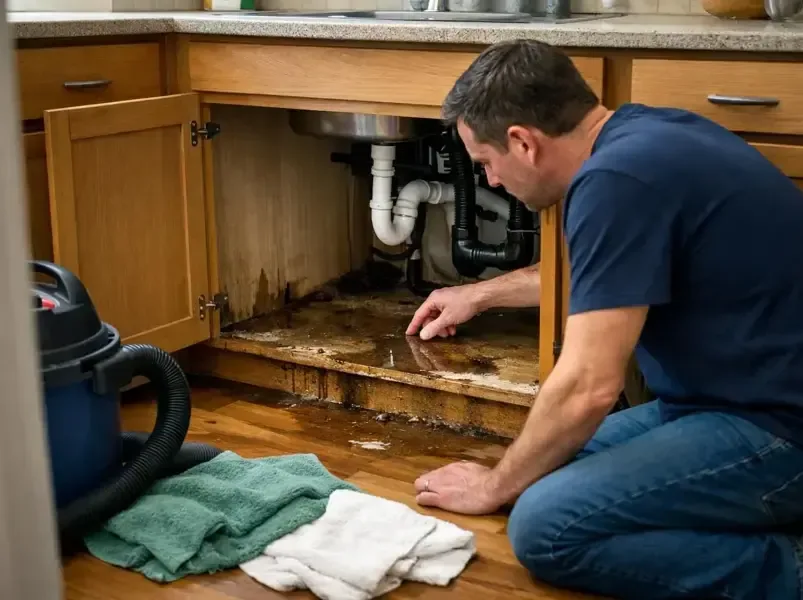 Appliance and Supply Hose Leaks
Washer hoses, dishwasher supply pipes and ice maker leaks soak cabinets and floors, and the crew dries what is trapped.
See the service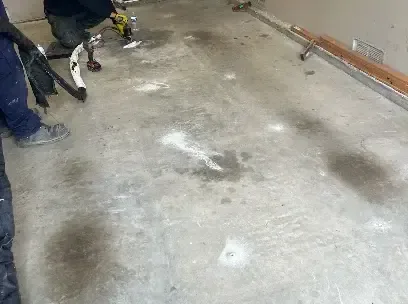 Slab Leak Water Damage
A hidden supply pipe leak under a concrete slab lifts flooring, so wet materials come out and the slab is dried.
See the service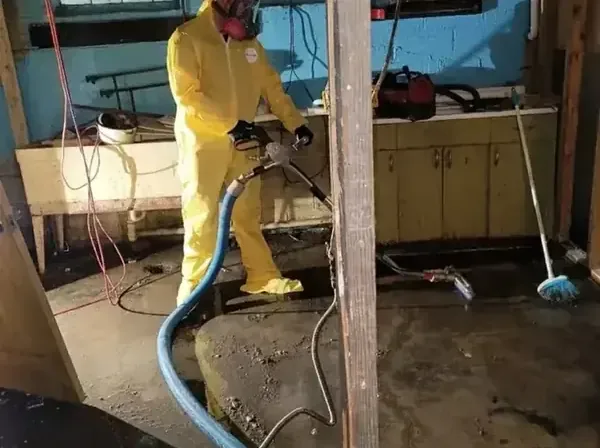 Sewage Backup Cleanup
Sewage needs containment and protective gear, so porous materials come out and every surface is disinfected.
See the service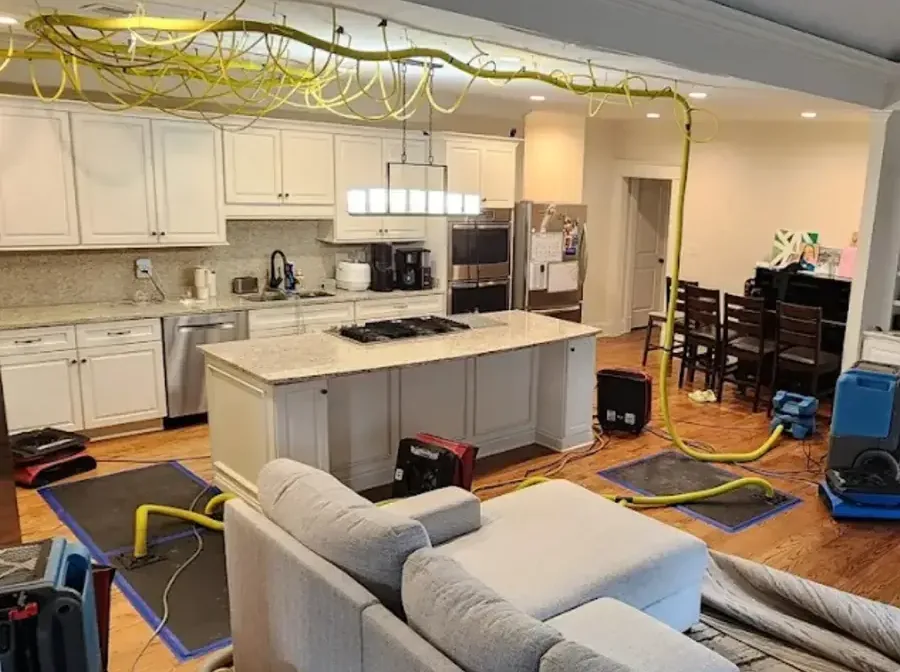 Structural Drying and Dehumidification
Air movers and dehumidifiers pull moisture from studs, subfloors and concrete until readings reach dry targets.
See the service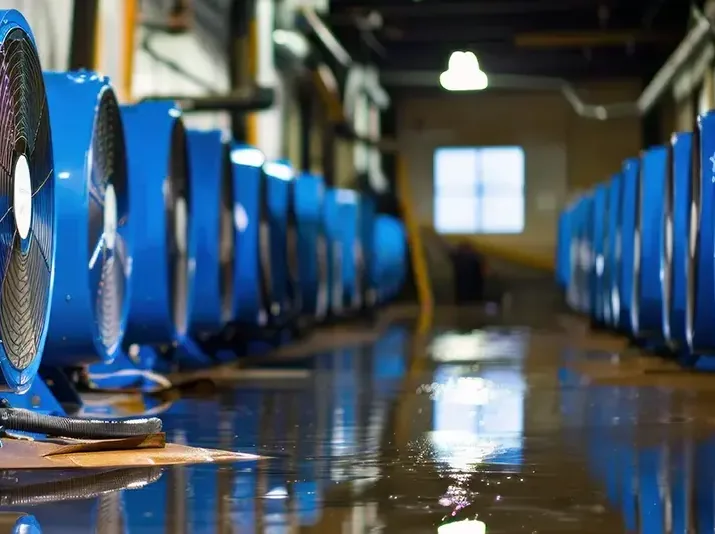 Commercial Water Damage
Shops and offices need phased drying that keeps the business running, with each unit documented.
See the serviceWhat to do right after water shows up in the house
- 01Stop the water Close the main shutoff or the fixture valve, and switch off breakers to wet rooms if outlets or cords sit in water. Stay out of any room with a sagging ceiling.
- 02Photograph everything Take wide and close shots of wet floors, walls and belongings before anything moves, since adjusters compare those photos with the drying records.
- 03Lift what is safe Raise small furniture, electronics and papers onto dry surfaces, and leave heavy or soaked items for the extraction crew.
- 04Bring in a crew Early extraction keeps water out of wall bottoms and padding, which shortens the tear-out and lowers the odds of mold.
A local crew that documents every step
Wet drywall and padding turn into bigger repairs quickly, so the crew follows one clear plan and records every reading.
Rapid local response
Local crews stage extractors, air movers and dehumidifiers for Cobb County jobs, so setup starts as soon as the scope is clear.
Drying gear sized properly
Air movers and dehumidifiers are placed from the moisture readings, not guesswork, then adjusted each day as walls and floors reach dry targets.
Claim-ready documentation
Photos, readings and equipment logs are organized so an adjuster can follow the job.
Local water know-how
Crews plan around Cobb County storms, rising creeks and burst pipes, in homes, rentals and storefronts alike.
How a dry-out runs from first reading to last
Every job follows the same four steps, whether the loss is a washing machine hose or a flooded basement, so nothing wet gets covered up before it is dry.
Assess
A moisture meter and thermal camera map how far the water traveled, and the crew sorts the loss by water category and affected materials.
Remove the water
Pumps and truck-mounted extractors clear standing water, then wet padding and drywall that cannot dry are cut out.
Dry the structure
Air movers and dehumidifiers go in by the readings, and the crew returns to check studs, subfloors and slabs until they stabilize.
Confirm the dry standard
Final readings are compared with dry reference points, and the photos, logs and equipment records go to the owner.
The kind of water decides the cleanup plan
Clean water
Supply pipe breaks and tank failures start clean, but the water turns questionable if the materials stay wet for a couple of days.
Burst pipe water damageGray water
Washers, dishwashers and drain overflows carry soap and light contamination, so padding and porous finishes usually come out.
Appliance and supply hose leaksBlack water
Sewage and creek flood water carry bacteria, so the area is contained, porous materials are removed and everything is disinfected.
Sewage backup cleanupWhat water damage cleanup tends to cost here
Cost follows the water category, the number of wet rooms and how long materials stayed wet. These three ranges cover a small leak, a multi-room loss and a contaminated one.
Small clean-water leak
- One room affected, caught early
- Extraction and spot drying of wet areas
- Daily moisture readings
Several rooms or a finished level
- Flooring and drywall removal as needed
- Dehumidification across the level
- Readings logged at each visit
Large or contaminated loss
- Category 3 removal and cleaning
- Containment and air scrubbing
- Whole-level drying
Final pricing depends on what readings show once walls and floors are opened, so each range is a starting point, not a quote.
Try the water damage cost calculatorWhat a typical local dry-out looks like
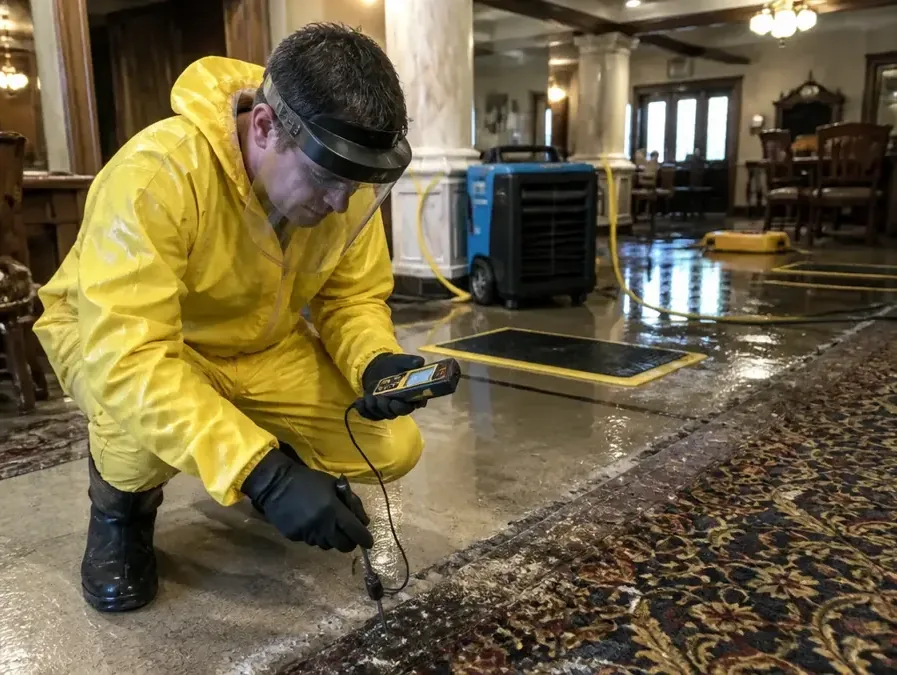
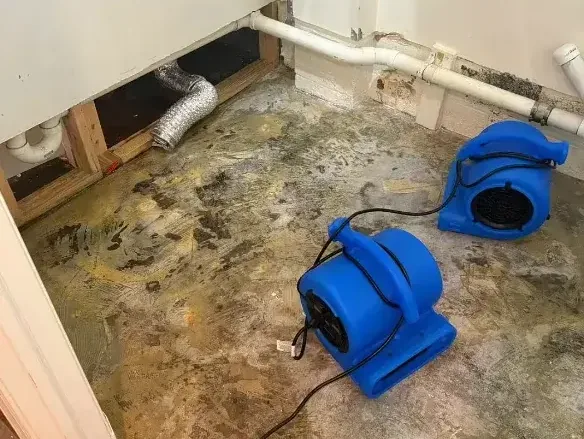
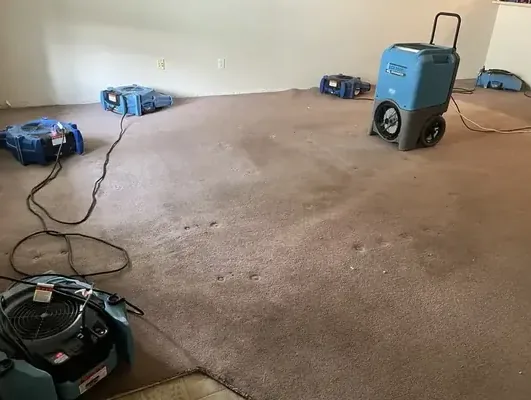
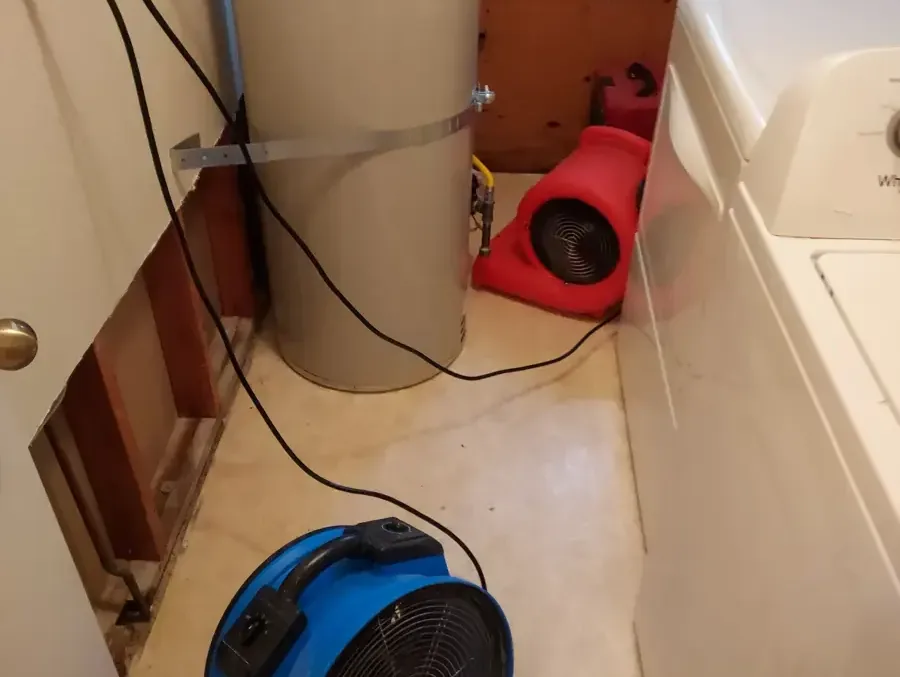
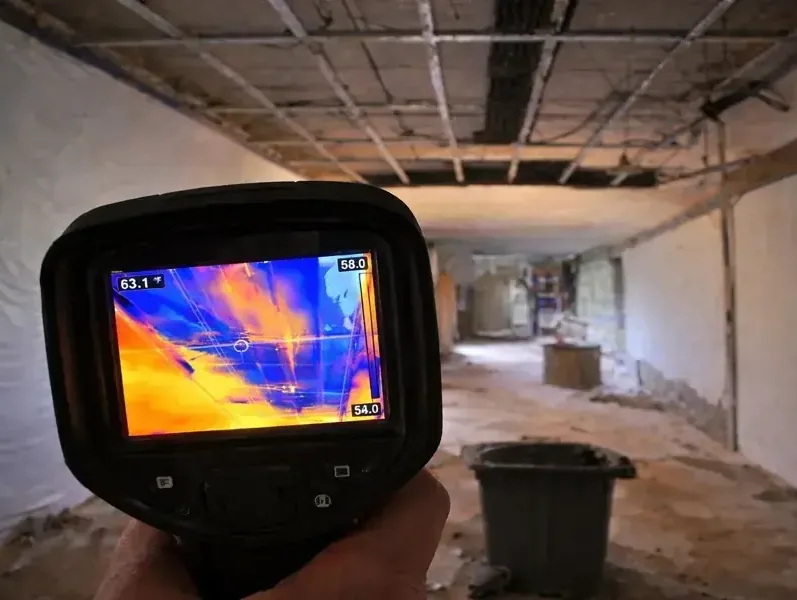
Records that help the claim go smoothly
Adjusters decide claims from evidence, so the crew builds a paper trail from the first photo to the final reading.
- Dated photos of every wet room before anything is moved
- Daily moisture readings for each affected room and level
- Equipment counts with set up and removal dates
- A written list of every material removed
- An itemized scope tied directly to the readings
Handling the claim yourself
Report the loss to the insurer promptly, describe the water source plainly and keep receipts for emergency repairs, such as a plumber's pipe fix.
Ask the adjuster how the policy treats sudden pipe breaks, appliance leaks and storm water, because the wording on each can differ, and keep copies of every record the crew provides.
Wet home or shop anywhere in the city?
The drying team covers homes, rentals and commercial space across ZIP 30060 and the historic districts around the Square, from Whitlock Avenue to Kennesaw Avenue.
Pick the service that fits, and the crew confirms the scope with moisture readings.
(888) 532-4616Talk through the loss with a local crewWhere the crew works across Marietta
Corridors and neighborhoods
ZIP code
Nearby communities

Marietta water risks, from creeks to freezes
Marietta has a humid subtropical climate with about 54.63 inches of precipitation in a year, and heavy storms, rising creeks, burst pipes and blocked sewers all appear in the city's recent history.
- Creeks that swell in big storms. Flood warnings named Noonday Creek near the city during Tropical Storm Helene on September 27, 2024, and Sope Creek and Rottenwood Creek also shape how storm water moves.
- A wet, humid climate. With so much yearly rain, gutters, roofs and drains work hard, and a slow leak can keep a wall cavity damp for weeks.
- Sewers under strain. The city says nearly all sewer blockages come from household material or roots on private property, and roots caused a reported overflow on May 24, 2026.
- Rentals, where tenants spot leaks first. Only 44.0 percent of Marietta housing units are owner-occupied, so tenants often find leaks first and a quick report to the landlord helps.
- Pipes that freeze. Mean daily lows sit near 30 F in January, and the December 2022 freeze burst a pipe in a Marietta home, so poorly insulated exterior walls are the weak point.
September 2021: Severe storms brought up to 6 inches of rain and flash flooding to Cobb County, and the city manager said many private homes and businesses flooded across the city.
Water damage questions from local owners
Not sure what to do first?
A local crew can walk the damage, read the moisture and lay out a drying plan before any walls are opened.
(888) 532-4616 Ask a drying questionHow much does water damage cleanup cost here?
A small clean-water leak runs about $1,200 to $3,500, several rooms or a finished level run $4,500 to $10,000, and large or contaminated losses run $12,000 to $30,000, depending on what the readings show.
Should the water or the power be shut off first?
Close the main valve first when the source is unclear. Cut breakers only for wet rooms you can reach without standing in water, and call an electrician if panels or outlets are soaked.
Does homeowners insurance cover a burst pipe?
Sudden pipe breaks and appliance failures are often covered, while long-term seepage and rising flood water usually are not. The policy wording decides, so the adjuster should be asked early and shown the records.
How long does structural drying take?
Structural drying depends on the materials and the readings, since framing, subfloors and concrete dry at different rates. The crew keeps equipment running and logs readings until each material reaches its dry reference point.
Who is responsible for a clogged sewer pipe?
The owner is responsible for a blocked sewer service pipe, even where it crosses a road right-of-way or easement. The city sends a crew only when a plumber hired by the owner cannot restore service, and crews respond to sewer spills 24 hours a day, seven days a week.
What should renters do after a leak?
Tell the landlord in writing, photograph the damage and keep wet belongings out of the way. With only 44.0 percent of homes owner-occupied, many repairs start with a tenant's report, so dated photos help everyone.
What about older homes in the historic districts?
Interior drying leaves exteriors alone, but projects listed in the city code in the Kennesaw Avenue district first need a Certificate of Appropriateness, so owners there should confirm the rules with the city before exterior repairs.
Do businesses get the same service?
Yes. Commercial jobs use a phased plan so shops and offices stay open where possible, with unit by unit documentation for the owner and the insurer.
Can creek flooding be cleaned like a pipe leak?
No. Creek and storm flood water is treated as contaminated, so the area is contained, porous materials are removed and surfaces are disinfected. Noonday Creek drew flood warnings during Tropical Storm Helene on September 27, 2024.
What should be ready for the crew?
Clear a path to the wet area, note where the shutoff valve sits, and gather photos and the insurer's claim details.
Standing water or a soaked ceiling needs attention now
The restoration team extracts the water, opens what is wet and dries the structure, with readings logged for every room.
(888) 532-4616Get the drying crew moving