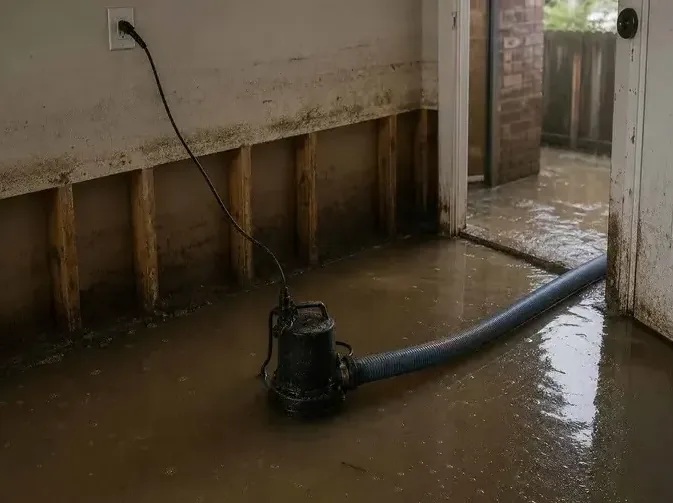
Douglasville has seen two kinds of flooding. In September 2009 extreme rain overflowed creeks overnight, and in April 2014 three-plus inches of rain caused localized flooding in parts of the county.
Key takeaways
- Extreme rain on the night of September 20 to 21, 2009 flooded Douglas County and destroyed many roads and homes.
- The governor declared a state of emergency, and the county was later declared a disaster area.
- In April 2014, three-plus inches of rain from Sunday night into Monday morning caused localized flooding, and Fowler Field on Chapel Hill Road looked like a lake.
- Georgia's DFIRM tool shows flood risk for a property when an address is typed in.
- Flood water is treated as contaminated, so porous materials come out and surfaces are cleaned before drying.
Two kinds of flooding in one county
Creek overflow and street flooding both put water into houses and both lead to flood and storm water cleanup, but they behave differently. A creek event may touch many homes at once, while a localized event can leave one street soaked and the next dry.
A family that knows which kind of event is under way can choose between lifting belongings, moving cars or leaving the area.
- Creek overflow: water rises out of a channel and covers yards, roads and low floors.
- Localized flooding: heavy rain overwhelms drainage in one area while nearby streets stay dry.
- Either way, the water entering a house is treated as contaminated.
September 20 to 21, 2009
The night
Extreme rain flooded Douglas County on the night of September 20 to 21, 2009, destroying many roads and homes. The flood most affected Douglasville, Villa Rica, Austell, Lithia Springs and Chapel Hill.
The response
The governor of Georgia declared a state of emergency, and the county was later declared a disaster area. FEMA damage assessors looked at flood-affected homes along Douglas County's Sweetwater Creek.
Local news reports named Mobley Creek and West Billy Creek among the creeks involved.
What the night teaches
The record shows how much can change in one night, and the bullets below summarize the main lessons.
- Water can arrive overnight, when families are asleep.
- Smaller creeks matter, not only the largest one.
- Roads can fail, so routes out of a neighborhood may close.
- Recovery takes long after the water is gone.
April 2014 and the lake at Fowler Field
In April 2014, three-plus inches of rain fell Sunday night into Monday morning and caused localized flooding in parts of the county. Fowler Field on Chapel Hill Road looked like a lake.
The lesson is that a few inches of rain in one night can put water in places where creeks never rise. A USGS stream gauge on Anneewakee Creek sits near Douglasville and tracks that creek, but street water does not wait for a creek reading.
That kind of event leaves little notice. Street drains fill, low spots collect water and a driveway can become a pond while the sky is already clearing, so heavy rain at night is a reason to check the lowest floor before bed.
Fowler Field is a ball field, which shows the point: low open ground collects street water first, and houses near low ground take it next.
Checking a property's flood risk
Georgia's DFIRM flood map tool shows property specific flood risk when an address is typed in. It is a quick way to learn where a house or business sits before the next storm.
The tool also helps tenants decide how to store belongings in a ground floor unit.
- Type the street address into the DFIRM tool.
- Write down the result and keep it with the property papers.
- Remember that localized flooding can reach places the map does not flag.
First steps when water enters a house
The first priority is safety. Standing water can hide electrical hazards, and flood water carries contamination.
Moisture works fast on wet materials, so the early steps matter more than finding the cause right away.
- Stay out of standing water until the power to the room is off or the room is confirmed safe.
- Photograph the waterline and damaged belongings.
- Lift small items and electronics onto dry surfaces.
- Keep children and pets out of the wet area.
Cleanup and drying after flood water
Flood water cleanup begins with pumping, then removal of soaked carpet, padding, insulation and drywall that cannot be saved. Surfaces and framing are cleaned and sanitized before drying starts.
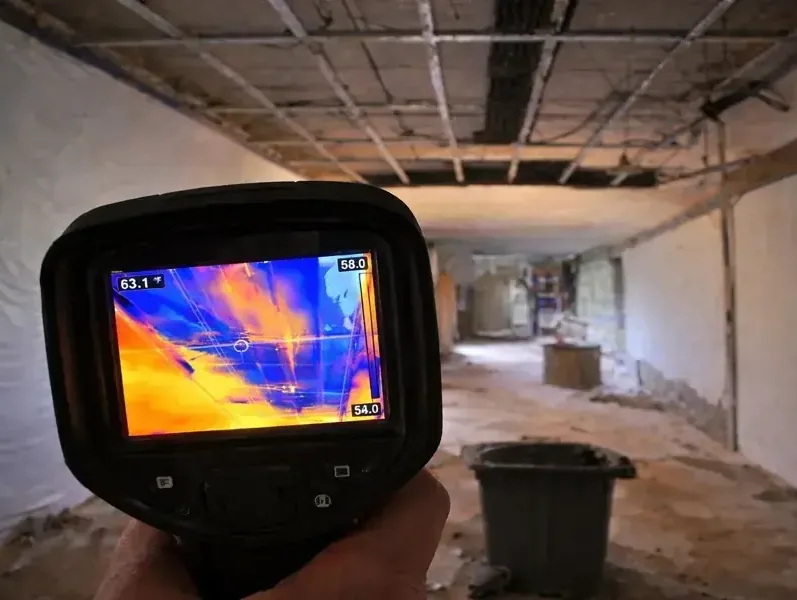
The drying phase that follows is structural drying, and it keeps going until the readings say the building is dry.
Readings on framing, subfloor and drywall decide when equipment leaves and walls close. Drying is complete only when they match the dry reference, and the log records each reading.
For the services in the area, the Douglasville water damage restoration hub lists each one.
What comes out and what stays
Carpet, padding, insulation and soaked drywall come out. Solid wood framing, masonry and many hard surfaces stay and are cleaned and dried.
Photographs taken before removal show what was wet and where, which helps a family explain the loss later to anyone who asks.
Clean water, contaminated water and why it matters
Water from a broken supply pipe starts clean, while water that comes in from outside, from a creek or a flooded street, is treated as contaminated.
That difference controls how much is removed and how it is cleaned. A flood puts far more materials in the removal pile than a pipe leak does.
- Supply pipe leaks: materials can often be dried in place.
- Creek or street flood water: porous materials are removed and surfaces are sanitized.
- Sewage: the same removal rules apply, with extra care for health.
Preparing before the next storm
A few steps taken before heavy rain cost little and cut the damage if water does enter.
Preparation is not about predicting a flood. It is about shortening the cleanup if water arrives.
- Keep valuables, papers and electronics off the floor and out of low cabinets.
- Clear leaves from gutters and drains near the house.
- Know the way out of the neighborhood and an alternate route.
- Keep a list of what is stored in low spaces.
- Photograph the house and its contents now, so a before picture exists.
Questions
When did extreme rain flood Douglas County in 2009?
Extreme rain flooded the county on the night of September 20 to 21, 2009, destroying many roads and homes.
What happened in April 2014?
Three-plus inches of rain fell Sunday night into Monday morning and caused localized flooding in parts of the county. Fowler Field on Chapel Hill Road looked like a lake.
How can an owner check flood risk for an address?
Georgia's DFIRM flood map tool shows property specific flood risk when an address is typed in.
Why is flood water treated as contaminated?
Flood water picks up soil, debris and runoff on its way into a house, so porous materials are removed and surfaces are sanitized.
Does a few inches of rain really flood houses?
It can. The April 2014 rain of three-plus inches caused localized flooding in parts of the county even without a creek overflowing.
How should belongings stored on the floor be handled?
Photograph them, lift what is safe to dry surfaces and let the restoration team decide what has to be discarded.