Basement Flooding Cleanup in Powder Springs, GA
When water fills a basement or lower level, the crew pumps it out, strips the wet finishes and dries the slab, walls and framing with dehumidifiers and daily readings.
(888) 532-4616Pump out the lower level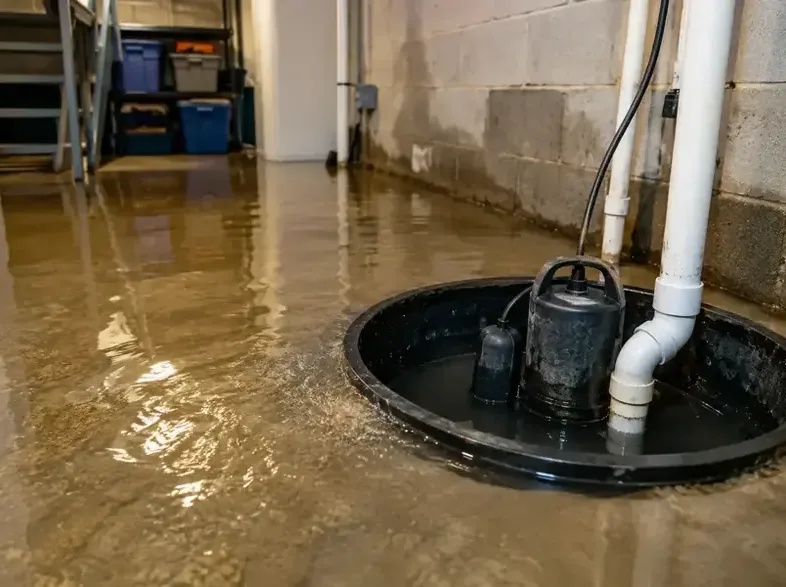
First steps for basement flooding cleanup in Powder Springs
- 01Do not enter deep water Water around outlets, panels and appliances can be live, so stay upstairs until the power is off and the water is checked.
- 02Stop the source if it is a pipe Close the main valve for a plumbing leak, and note whether the water rose from a drain, a sump pit or a wall.
- 03Photograph the waterline Capture the level on the walls and the belongings still in the room for the adjuster.
- 04Call the crew Give the depth, the finishes and the source so the right pumps and drying equipment come along.
A flooded lower level is a harder dry-out than a wet living room, because concrete and block hold water for days and finished walls trap it behind paint. The crew works from the water down: pumps first, then the finishes, then the slab and the walls. Because the moisture sits low, readings are taken at the floor edges and several inches up each wall.
Rapid local response
Dispatch runs 24/7, and active water is treated as urgent, because it moves into subfloor and drywall within hours.
IICRC S500 drying standard
Moisture gets mapped first. Air movers and LGR dehumidifiers then run until the readings match a dry reference, not until the surface looks dry.
Claim-ready documentation
Daily moisture readings, psychrometric logs and timestamped photos taken before any demolition go into the file an adjuster reviews.
Local water know-how
Red clay, creek-side lots, crawl spaces, basements on sloped ground and attic equipment shape how water moves through homes in west Cobb.
What does basement flooding cleanup cost in Powder Springs, GA?
Cost depends on the depth, the finishes and whether the water is clean or contaminated, and the ranges below cover an unfinished room, a finished lower level and deep or contaminated water.
Unfinished, shallow water
- Pump-out and extraction
- Block wall and slab drying
- Daily moisture readings
Finished lower level
- Carpet and pad removed
- Flood cuts and insulation out
- Whole-level dehumidification
Deep or contaminated water
- Category 3 removal and cleaning
- Antimicrobial treatment
- Extended slab and block drying
Ranges are typical, never a quote: the category of water, square footage, material class and how fast drying started move the number most.
Work out a closer range in the cost calculatorHow basement flooding cleanup gets done, step by step
The tech who does the walkthrough maps moisture before any equipment goes down, so the plan matches what is actually wet. Equipment stays until the readings say dry.
Check safety and depth
The crew confirms the power is off, measures the water and picks pumps sized to the volume.
Pump and strip
Water comes down in stages, then carpet, pad and wet drywall are removed and carried out.
Dry the structure
Dehumidifiers and air movers run against the slab, block and framing with the walls opened where needed.
Verify and document
Daily readings show progress, and the final log and photos go into the claim file.
Why the pumping is staged
Emptying a flooded room all at once can stress the walls and floor, so the water level is lowered in steps while the crew watches the structure. The city says localized flooding can happen where storm drains or channels are temporarily blocked, and flash floods can occur in spring, summer and fall, so a heavy storm is enough to start a job like this.
- Water lowered in stages with submersible pumps
- Silt and debris cleared from the slab
- Wet carpet and pad cut out and hauled away
- Drywall opened above the waterline for the wet material
Lower level underwater? Call the pump-out team.
(888) 532-4616Ask about lower-level floodingWhat the city advises
The city's flood page advises removing wet carpet and carpet padding as soon as possible and using open windows or a dehumidifier to help prevent mold. The crew follows that order, then sets dehumidifiers and air movers so the finishes that remain can dry. Water that came from a creek or drain is treated as contaminated. Photos of the carpet and pad before removal help the adjuster see what was lost.
Rebuild and paperwork
The city requires permits for flood damage repair work, and the Community Development Department can explain what applies. Photos and moisture logs from the dry-out support the claim, and the crew can explain the order of removing, drying and rebuilding. For the next stage, see structural drying, or the main basement flooding service.
Basement flooding cleanup across Powder Springs and nearby towns
Wherever a home has a basement, walkout or finished lower room that takes on water, the crew covers it across the city, from the shopping corridors to neighborhoods such as Echo Mill and Concord Oaks.
The same service nearby: basement flooding cleanup in Austell, Mableton, Douglasville.
Related water damage services in Powder Springs
Basement Flooding Cleanup questions in Powder Springs, GA
Water still spreading?
Shut off the water if you can and keep clear of wet outlets. Dispatch runs 24/7.
(888) 532-4616 Ask about lower-level floodingWhy not pump the water out at once?
A staged pump-out protects walls and floors from sudden pressure changes while the surrounding structure is still saturated, so the level comes down in steps and the crew watches the walls as it does.
Can wet carpet be saved?
The city advises removing wet carpet and padding as soon as possible. Clean water caught early may leave some carpet worth keeping, but contaminated water means carpet and pad are discarded.
How long does a lower level take to dry?
Concrete and block dry slowly, so expect a longer run than a living room. Daily readings decide the end date, not the calendar, and dehumidifiers stay until the slab meets the dry standard.
Does insurance cover creek water?
A homeowner's policy does not cover flood losses, so a separate flood policy is the one to check. Sudden plumbing leaks are treated differently, and the adjuster explains which applies.
Do repairs need a permit?
The city says permits are required for any flood damage repair work on a home, and applications go through the CommunityConnect portal.
What causes lower-level flooding here?
Heavy rain, blocked storm drains or channels, a failed sump pit or a plumbing leak can each start it, and the cleanup depends on which water type it was.
Get the water down before the walls drink it up
Tell the crew how deep the water is and what finishes are down there, and the team brings pumps, removal tools and dehumidifiers matched to the job.
(888) 532-4616Request a pump-out