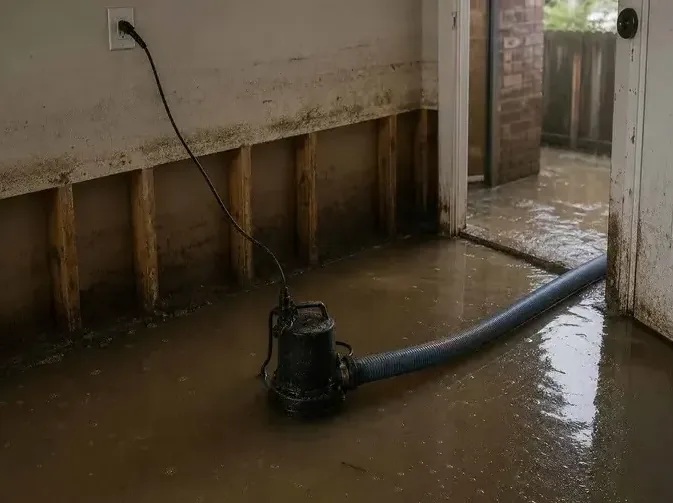
Nickajack Creek runs along the northern edge of Mableton, and it has set records before. On September 22, 2009 it crested at 19.30 feet, above the old record of 16.60 feet from July 11, 2005.
Key takeaways
- Nickajack Creek at Mableton crested at a record 19.30 feet on September 22, 2009, above the earlier record of 16.60 feet set on July 11, 2005.
- National Weather Service flash flood warnings on September 17, 2020 named Nickajack Creek in Mableton, so the creek is a repeat concern.
- Georgia's DFIRM site shows flood risk for a typed address, and a Special Flood Hazard Area carries a 1 percent chance of flooding in any year.
- Creek water is treated as contaminated: porous materials come out, hard surfaces are sanitized and everything is dried to readings.
- Moving vehicles, rugs and electronics when a warning is issued costs less than cleaning up afterward.
A creek with a record on the books
The metro Atlanta flood ran from September 15 to 22, 2009. The National Weather Service reports that it left more than 20,000 buildings across Georgia with major damage.
That same year the Chattahoochee River, which forms the southeast border of the city, rose all the way to Riverview Road near Riverview Landing. The creek and the river both showed how far water can climb in a wet week.
The creek has a long history in the area. In the mid-1800s settlers used Nickajack Creek to power grist, saw, cotton and woolen mills, and a covered bridge built about 1848 to 1850 crosses it in a historic district.
Heritage Park has wooded trails and boardwalks over wetlands along the creek.
- September 22, 2009: Nickajack Creek crested at 19.30 feet.
- July 11, 2005: the earlier record of 16.60 feet.
- September 2009: Sweetwater Creek near Austell also set a record crest.
Flash flood warnings and fast water
On September 17, 2020, National Weather Service flash flood warnings for Cobb County named Nickajack Creek in Mableton.
A warning like that is the cue to act. Water can leave a creek channel and reach a yard or driveway quickly, so the useful window is spent moving vehicles, rugs, electronics and papers to higher ground.
Rain far upstream can raise a creek while the sky overhead looks calm, so a clear afternoon is not proof that the water has stopped rising.
Move vehicles first, because a car left at the curb is the loss that cannot be undone.
Safety around flood water
Flood water brings hazards beyond the damage itself. Electricity, contamination and weakened materials all call for care before anyone walks through a flooded room.
A restoration crew looks at the same hazards first and works around them.
- Electric outlets and cords under or near water can energize the water.
- Creek water carries soil and runoff, so skin contact and splashes should be limited.
- Soaked ceilings and drywall can be heavier than they look and may fall.
- Floors can be slick with silt, so footing needs care.
Checking flood risk for an address
A Special Flood Hazard Area is land with a 1 percent chance of flooding in any year, often called the 100 year flood. That label describes odds, not a schedule, so a property can flood in back to back years.
Georgia's DFIRM site shows property specific flood risk when an address is typed in, and the lookup takes only a moment.
Business owners can run the same lookup, since a flooded shop loses sales as well as stock.
A property outside a mapped zone can still take on water when drains back up or rain falls faster than the ground can absorb it. The map is useful, but the creek record is also a clue.
- Type the address into the Georgia DFIRM site.
- Note whether the lot sits inside a Special Flood Hazard Area.
- Treat the map as a starting point, since a single storm can behave differently from the averages.
Why creek water is handled as contaminated
What comes out
Creek water carries soil, debris and runoff from yards and roads. Carpet, padding, insulation and soaked drywall are removed rather than dried in place, because they hold that contamination.
Time works against wet materials. Carpet padding and drywall soak up contaminated water quickly, and the longer they stay in place the more they spread it to dry neighbors.
What is cleaned and dried
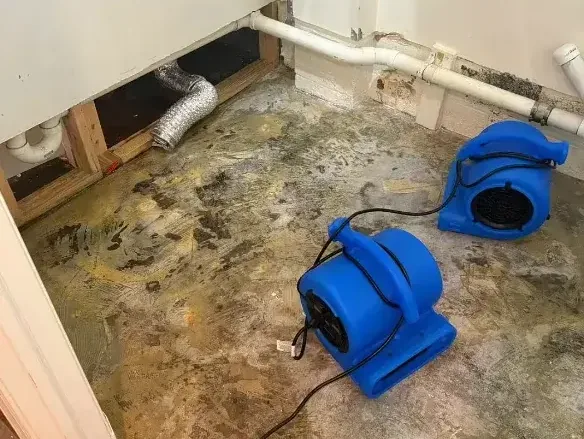
Hard surfaces and framing are cleaned and sanitized, then dried with air movers and dehumidifiers until readings return to normal. The full scope sits under flood and storm water cleanup.
First steps when flood water enters
The opening steps are about safety and records, not scrubbing. Pumping comes next, and water extraction has to start before any drying can.
Vehicles are the other big loss in a fast flood. Moving cars early, before water reaches a driveway or street, saves more than any amount of cleanup later.
- Stay out of standing water until the power to that room is off or the room is confirmed safe.
- Photograph the waterline on walls and the damage to belongings.
- Move small items and furniture to dry ground.
- Keep children and pets away from creek water.
- Do not run household appliances in wet rooms.
- Turn around at flooded roads, since water over a road can hide washouts.
Extraction, drying and what the readings decide
The extraction crew pumps standing water, lifts wet carpet and pad and checks how high the water wicked into the walls. Cut heights on drywall follow the readings, not a guess.
Drying equipment runs until framing, subfloor and wall bottoms read normal against a dry reference spot. Mold can start within 24 to 48 hours in wet materials, so the schedule begins at once.
- Drywall readings show how high the water wicked above the waterline.
- Subfloor readings show whether moisture is trapped under flooring.
- Framing readings show whether studs and bottom plates have dried.
- A dry reference spot gives the target the other readings must reach.
Records and next steps
Documentation continues through the job: dated photographs of each stage, readings for each room and a list of the materials removed.
A drying log records each visit, so the end of the job rests on numbers rather than a feel for the room.
The local overview of the work is on the Mableton water damage hub, with each service listed by name.
Questions
How high did Nickajack Creek rise in 2009?
It crested at a record 19.30 feet on September 22, 2009, above the earlier record of 16.60 feet set on July 11, 2005.
Which warnings named the creek in 2020?
National Weather Service flash flood warnings in Cobb County on September 17, 2020 named Nickajack Creek in Mableton.
How can an owner check flood risk for an address?
Georgia's DFIRM site shows property specific flood risk when an address is typed in.
Why does flood cleanup differ from a pipe leak?
Creek water carries soil and debris, so porous materials are removed and surfaces are sanitized before drying, while a clean supply leak can often be dried in place.
Does wet carpet have to come out after a flood?
After creek flooding it usually does, because carpet and padding hold contaminated water and dry slowly.
What is a Special Flood Hazard Area?
It is land with a 1 percent chance of flooding in any year, often called the 100 year flood.